

In the current climate, efficient waste management is more crucial than ever. As the problems of waste disposal and environmental sustainability persist, businesses and individuals alike are seeking creative solutions to turn waste into useful resources. This change from waste to treasure is not just beneficial for the environment but may also result in significant cost savings and improved efficiency for businesses.
The importance of comprehending modern waste management practices cannot be overstated. With various approaches available, from recycling, composting to smart technology solutions, everyone can play a role in a more sustainable future. This article explores the ultimate guide to effective waste management, providing information into why it matters, ways to enhance practices, and the function of innovative technologies in creating a sustainable approach. Whether you’re an entrepreneur, somebody with a home, or a learner, there are many ways you can make a positive impact on waste management and help counter the harmful impacts of bad practices.
Efficient Garbage Management Techniques
Adopting efficient garbage handling practices is vital for businesses and houses alike. Wealth Management Cornwall of the primary actions is to conduct a refuse evaluation, which helps recognize what materials are being disposed and where upgrades can be effected. By grasping the refuse stream, individuals and organizations can create custom strategies to reduce refuse production and boost recycling efforts. Ongoing assessments also guarantee compliance with refuse handling laws and help monitor movement towards refuse decrease goals.
A different important method is garbage separation. By separating waste into allocated groups such as recyclable materials, organic waste, and hazardous substances, it is simpler to manage and ensure that each type is disposed of correctly. This not only improves recyclable rates but also reduces tainting, which can hinder repurposing efforts. Teaching workers and home participants about the importance of separation and providing the required containers facilitates a smoother waste handling procedure.
Finally, adopting tech can greatly improve garbage disposal methods. Intelligent refuse handling solutions, such as immediate tracking systems and information, empower companies to optimize their waste disposal timetables and lower business expenses. Additionally, utilizing mobile apps can promote public participation in recyclable projects. By embracing innovative tech, entities can improve their garbage disposal methods, making them more efficient while also assisting to a better green world.
The Role of Technology in Recycling
Technology has revolutionized the recycling industry by enhancing efficiency and efficiency across multiple procedures. Cutting- Go to this site sorting systems employ AI and machine learning algorithms to recognize and classify recyclables accurately. This mechanization significantly reduces human error, ensuring that more materials are handled correctly. As a consequence, recycling facilities can process larger volumes of waste and enhance the quality of recovered materials, which boosts their market value.
Moreover, data analytics plays a critical role in enhancing waste management operations. By gathering and analyzing data on waste flows, centers can identify trends and opportunities for enhancement. This information helps organizations make educated decisions about strategies for managing waste, potentially resulting in lower expenses and enhanced efficiency in operations. Tech facilitates better communication among participants, allowing for a more synchronized approach to recycling initiatives and distribution of resources.
Cutting-edge technologies such as blockchain are also surfacing in the waste management sector, providing transparency and accountability throughout the recyclable material processing. This ensures that recyclables are obtained ethically and encourages sustainable practices among businesses. As technology continues to evolve, it will further change recycling into a more efficient, productive, and eco-friendly approach, in line with the broader goals of eco-friendly waste management and a closed-loop economy.
Green Solutions for Companies
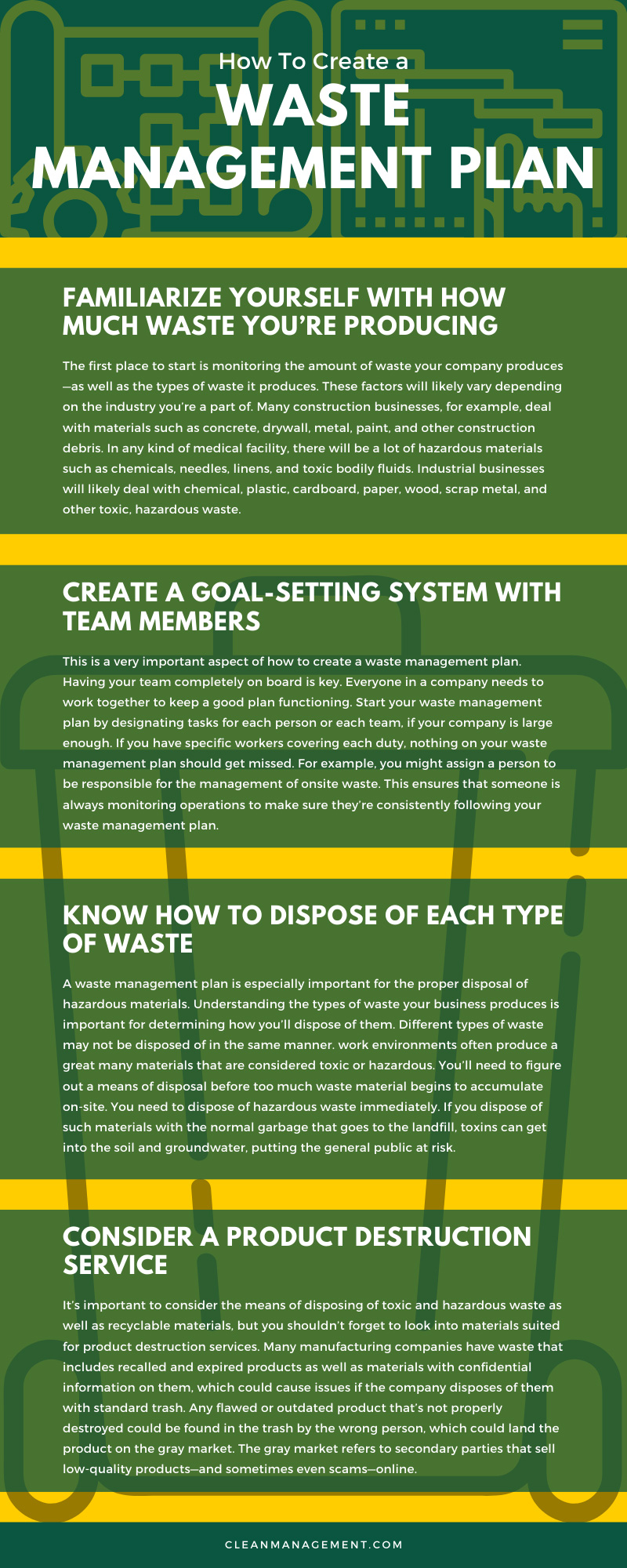
Introducing sustainable waste management practices is crucial for businesses looking to lower their ecological footprint and support a recycling economy. Companies can begin by carrying out waste assessments to evaluate their current waste generation and spot opportunities for improvement. This evaluation can direct the establishment of a waste minimization plan, making it easier to introduce recyclable initiatives, composting schemes, and ethical disposal methods. By prioritizing waste separation, organizations can guarantee that recyclable and compostable waste are dealt properly, thus reducing landfill waste.
An additional key solution is to utilize green packaging techniques. Companies can explore options such as compostable materials, multi-use containers, and streamlined designs to greatly cut down on waste generated from product packaging. Additionally, collaborating with suppliers to source eco-friendly packaging solutions not only enhances a company’s sustainability profile but also attracts environmentally conscious consumers. Training employees on the importance of sustainable initiatives fosters a culture of waste reduction that resonates throughout the business.
Technology plays a key role in optimizing waste handling for businesses. Smart waste handling solutions, such as smart bins that track waste levels, allow companies to enhance their collection routines and cut operational costs. Furthermore, utilizing software for tracking waste generation and disposal can provide valuable data for ongoing improvement. By staying updated on laws and implementing innovative waste management approaches, companies can not only adhere with laws but also establish themselves as forerunners in sustainability within their industry.