

Revamping the outdoor area can enhance the home’s appearance and create a serene sanctuary right beyond your entrance. Regardless of whether the aim is to welcome guests, nurture a peaceful landscape, or simply improve your property's curb appeal, new landscape design ideas will assist to achieve a stunning garden that reflects your personal style. Offering an variety of options to choose from, from contemporary sleek designs to classic landscapes brimming with color, there’s something to meet every homeowner’s preference.
Within this guide, we shall discuss a variety of gardening design ideas that cater to multiple needs and preferences. This will provide info on ways to enhance the external area using simple garden design techniques, tips for creating easy-care spaces, and the most suitable plants to enhance your chosen landscape style. Moreover, we will look at current styles, eco-friendly approaches, and practical tips on managing small areas. If you’re a novice looking for inspiration or a seasoned enthusiast seeking new ideas, this article is intended to provide readers the knowledge needed to create an outdoor area that you will love for a long time to come.
Ultimate Ten Outdoor Gardening Ideas
Revamping your external area begins through creative landscape design concepts which cater to your individual style and the distinct features of your garden. One of the most effective meaningful changes you can make is to add a diversity of plants which flourish in your local climate. Choosing native plants not just benefits local wildlife but also demands less maintenance. Selecting a combination of perennials and annuals will guarantee year-round color and interest. In addition, think about establishing specialized garden sections, like a butterfly garden or a herb garden, to bring a touch of creativity to your landscape.
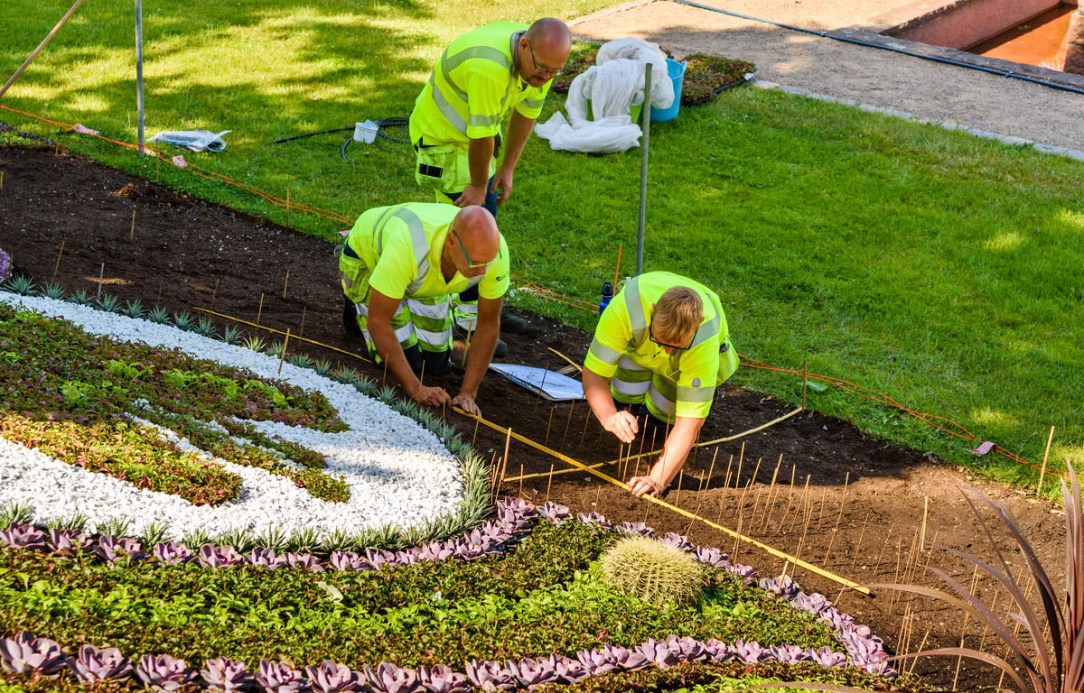
Another great suggestion is to incorporate hardscaping elements into your design. Patios, walkways, and retaining walls can enhance the functionality of your outdoor space while providing a solid balance to the natural shapes of plants. Using Landscaping Services that complement your home’s architecture guarantees a harmonious look. Furthermore, incorporating water features such as fountains or ponds can create a serene ambiance that invites birds and establishes a relaxing atmosphere for al fresco gatherings.
In conclusion, think about the importance of lighting in your landscape design. Purposeful lighting can showcase key features of your yard and prolong the functionality of your external spaces after dark. Pathway lights guide guests through your garden while accent lighting showcases beautiful trees or architectural elements. Alongside seating areas like pergolas or fire pits, well-planned lighting changes your backyard into a welcoming retreat, ideal for entertaining or quiet evenings under the stars.
Modern vs. Historic Landscaping
When evaluating landscape design, the selection between modern and traditional styles can significantly impact the overall aesthetic of your outdoor space. Modern landscaping highlights clean lines, simple designs, and a focus on practicality. It often incorporates sustainable materials and innovative practices, such as the incorporation of drought-resistant plants and hardscaping elements like concrete and metal. This style is ideal for homeowners looking for a contemporary feel, highlighting simplicity and efficiency in maintenance.
On the contrastingly, traditional landscaping is marked by its more decorative and structured approach. This style often showcases lush gardens, classic pathways, and symmetrical designs with an abundance of flowering plants and trees. Traditional landscapes embody historical design principles, creating a sense of nostalgia and warmth. These spaces are often designed to harmonize with the architectural elements of older homes, providing an pleasant, timeless atmosphere.
When choosing which style fits your home, consider factors such as your personal aesthetic, the climate, and the architectural style of your house. A modern landscape may suit a contemporary or mid-century home beautifully, while traditional landscaping could compliment a historic or colonial property. Ultimately, blending elements from both styles can also lead to a unique outdoor space that reflects your personality while still acknowledging the design nuances of your home.
Eco-Friendly and Affordable Design Tips
Implementing sustainable landscaping does not need to break your wallet. Kick off by utilizing native plants, which are well adapted to your local environment and typically require less water and maintenance. Such plants not only thrive without heavy upkeep but also benefit local wildlife. Think about creating a garden composed of these species, as it reduces the need for artificial fertilizers and pesticides, in line perfectly with eco-friendly strategies.
Another effective strategy is to include hardscaping elements such as stone walkways, patios, and decorative gravel. Such materials can lessen water usage by minimizing lawn areas and offer enduring beauty that need sparse upkeep. When selecting hardscaping features, choose recycled materials or local stone to boost your efforts in eco-friendliness while staying financially sound.
Ultimately, make strategic use of recycled or repurposed items in your landscape design. For instance, old pallets can be transformed into planter boxes, and wine bottles can act as edging for garden beds. Not only does it do so provide a distinctiveness to your outdoor space, but it also cuts down on waste and lowers expenses. By applying these creative and efficient approaches, you can create a gorgeous, sustainable landscape without going over budget.