

Putting in a standalone stove can be a gratifying task that improves both the warmth and atmosphere of your house. Whether you are looking to add an efficient wood stove for comfortable winter nights, a gas stove for a hassle-free heating solution, or a sleek pellet stove that fits your interior, the installation process is vital to ensure security and efficiency. This guide will guide you through everything you need to know, from picking the best type of stove to understanding the key clearance guidelines and exhaust options.
With adequate planning and knowledge, you can take on the installation on your own or safely hire a specialist. We'll provide clear instructions, hints for avoiding common mistakes, and important protection protocols to follow. Additionally, we will discuss key topics like building permits, carbon monoxide detector installation, and the unique considerations for installing a stove in diverse environments. Whether you are a seasoned DIY fan or a beginner homeowner, our detailed guide will equip you with the knowledge necessary to install your standalone stove effectively.
Installation Methods for Various Stove Types
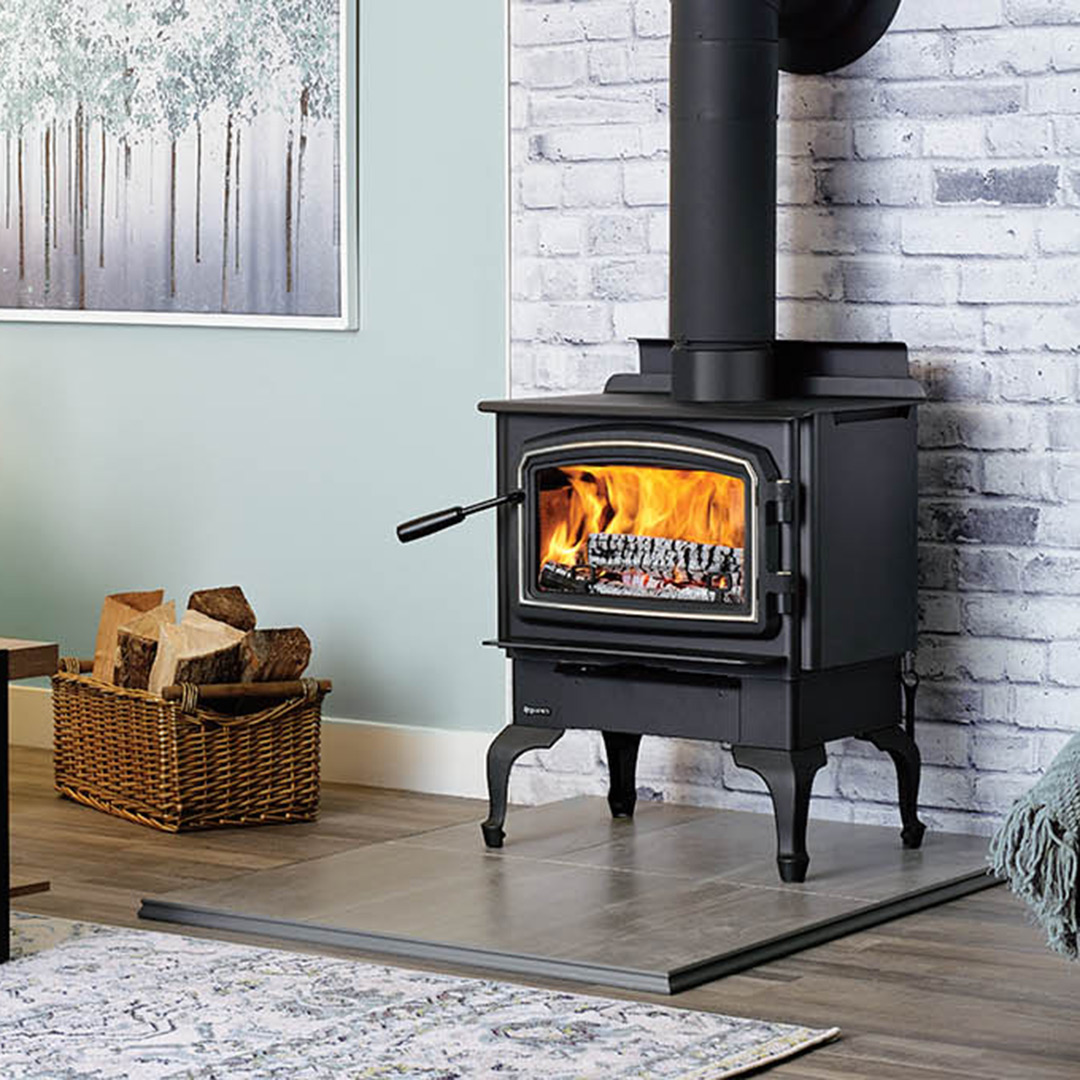
In terms of placing a standalone wood stove, the process needs thorough consideration and compliance to safety standards. It is critical to create a strong and heat-resistant fireplace pad to hold the stove and protect the flooring beneath it. The genuine installation involves positioning the stove properly and establishing a proper venting system, which typically involves drilling through partitions or roofs. Residents should acquaint themselves with neighborhood building codes to confirm adherence and security during installation.
Standalone gas stoves, on the other hand, necessitate a marginally distinct way. The installation involves attaching the gas line securely, making certain of proper venting if the stove is not ventless. Understanding the differences between vented systems and non-vented systems is crucial, as it influences the selection of installation method. Gas stoves also have certain clearance specifications from combustible materials, which must be thoroughly examined before installation.
Installing a free-standing biomass stove presents its specific set of issues. These stoves demand an electric connection for their operation, and the venting systems are often more complex due to the need for a immediate exhaust. Property owners should verify their selected installation location allows for simple access to the power supply while adhering to clearance specifications. Tools and materials particular to pellet stove installation, such as a dedicated flue and a high-efficiency vent system, are also necessary for a successful installation.
Security Issues and Venting Options
When installing a standalone stove, security should be your top focus. It's crucial to ensure that your stove is situated in a spot that complies with all separation needs to avoid combustion hazards. Each type of stove—whether timber, gas, or compressed sawdust—has specific clearance requirements from partitions, furnishings, and other combustibles. Acquaint yourself with these specifications and make sure to assess and plan your installation site properly.
Adequate venting is essential for secure and efficient stove operation. Depending on your home's structure and the type of stove you decide on, you will need to consider between roof and wall venting. Each option has its own set of installation instructions and safety issues, making it necessary to determine the best flue way for your particular situation. Ensure that your venting system follows local construction regulations and best methods for ventilation to prevent issues like smoke backdraft or toxic gas accumulation.
Another crucial safety element is ensuring that you have operational carbon monoxide and smoke alarms set up in close range to your stove. These instruments can save persons by providing timely warnings in case of failure. Regular care checks and an annual review of your stove and venting system will go a long way in ensuring ongoing safety in your home. Having a thorough understanding of these safety issues and venting options will help you savor your new stove with assurance.
Pricing, Upkeep, and Frequent Errors
The cost of installing a free-standing stove can differ greatly based on the model of stove, the intricacy of the installation, and any additional requirements, such as venting or creating a hearth pad. Generally, Free Standing Stove Installation Whitfield Dundee can expect to pay anywhere from several hundred to a multitude of dollars, which includes the price of the stove, components, and service if hiring a professional. It's vital to get quotes and evaluate the possible long-term savings on utility bills when evaluating the upfront investment.
Maintenance is crucial to ensure the lifespan and efficiency of your standalone stove. Regular tidying of the stove and venting system, as well as periodic inspections, will help prevent issues like creosote buildup and ensure safe operation. Additionally, homeowners should familiarize themselves with the maintenance requirements specific to their variant of stove, including wood, gas, or pellet, to prevent costly repairs in the coming years.
Typical blunders during stove installation can create unsafe conditions or suboptimal operation. One regular error is not adhering to clearance requirements, which can generate a fire hazard. Additionally, improper venting can cause smoke or carbon monoxide accumulation inside the home. Many homeowners also misjudge the importance of a sturdy hearth pad or do not research local building codes, leading to regulatory problems. Understanding these pitfalls and making efforts towards proper preparation can significantly enhance the installation experience.