

As vehicle drivers, we often emphasize on scheduled oil changes, tire alignments, and guaranteeing our cars run smoothly. However, one vital aspect that can often slip under the radar is motor carbon accumulation. With time, carbon residue accumulate in your engine due to insufficient burning of fuel, leading to a range of issues with performance. This accumulation can diminish gas mileage, adversely affect power generation, and even decrease the life of your car. Grasping the subtle risks of carbon build-up and how to combat it is necessary for anyone looking to keep a healthy motor.
Engine carbon cleaning has emerged as a popular solution to tackle this ongoing problem. Not only does it assist regain peak engine performance, but it also leads to improved fuel economy and decreased emissions. In this article, we will delve into what carbon cleaning entails, the signs that indicate your engine needs this service, and the gains you can anticipate from it. Whether you drive a high-mileage vehicle, a hybrid vehicle, or a diesel car, learning how to address carbon build-up is essential for making sure that your engine operates effectively and has a longer life. Let's dive into the specifics and find out how carbon cleaning can be a breakthrough for your car's health.
Grasping Automobile Carbon Removal
Vehicle carbon removal is a maintenance procedure aimed at clearing carbon accumulation from an vehicle's internal parts. With time, carbon residue accumulate due to the oxidation process, causing lowered engine efficiency and performance. This accumulation can influence various parts of fuel injectors to intake valves, negatively impacting the vehicle's overall functionality. By utilizing tailored cleaning methods, such as hydrogen cleaning or chemical treatments, technicians can help bring back the engine to its best state.
The significance of carbon removal cannot be underestimated. Modern automobiles, despite their advanced technology, are still prone to carbon accumulation, which can cause various issues, including reduced fuel economy and higher emissions. Vehicles that regularly drive in short journeys are particularly susceptible to this problem, as they do not achieve sufficient operating temperatures, causing partial combustion. When conducted consistently, carbon cleaning can extend the lifespan of the engine and boost its performance, making it an essential part of automobile maintenance.
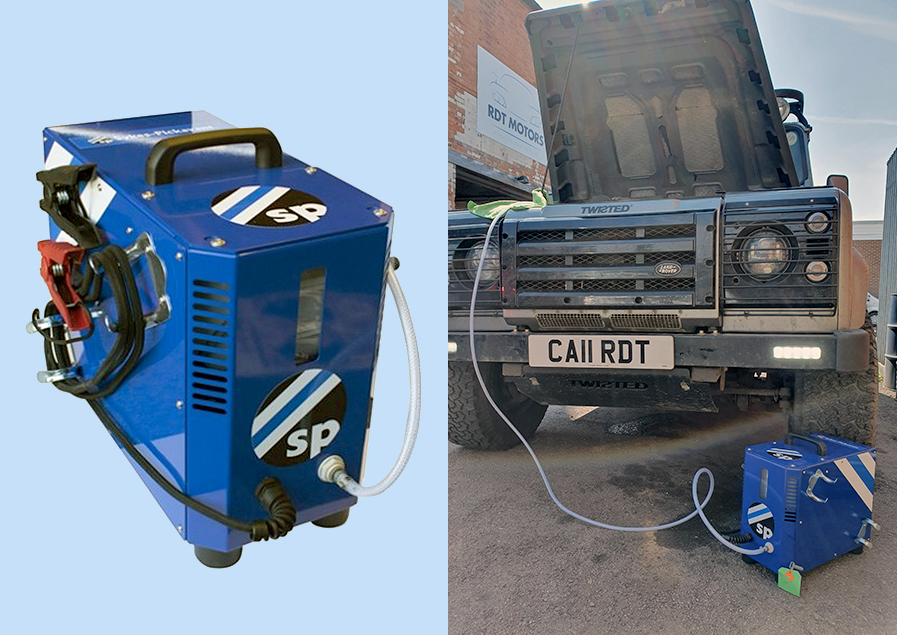
Various methods of vehicle carbon cleaning are present, each with its pros. Click here to find out more , for illustration, uses hydrogen gas to decompose the carbon deposits and not damaging engine components. This method is often lauded for its effectiveness and sustainability. Grasping these different approaches will enable car owners make informed decisions about the timing of and the way to clean their engines to guarantee optimal performance and longevity.
Signs Your Engine Demands Care
One of the most apparent indicators that your engine may need assistance is a decrease in performance. If you find that your car is hesitating or struggling to accelerate, or if you feel a drop of power during driving, these could be signals of carbon build-up affecting engine efficiency. A slow throttle response can make your vehicle feel unresponsive, and this is often associated with deposits forming in key engine parts.
Another key indicator is a drop in fuel efficiency. If you're abruptly making more regular stops at the gas station or noticing that your mileage isn’t what it used to be, it could mean that carbon deposits are disrupting the combustion process. Cleaning the engine can restore optimal fuel flow, making sure that your vehicle runs more economically and reduces the strain on your wallet.
Lastly, odd engine noises can be a warning sign. If you hear pounding, tapping, or intense vibrations, it may indicate that carbon accumulation is causing irregular combustion. Such noise can hint at potential problems if not addressed swiftly. Paying attention to these signs is vital for maintaining engine health and performance, and considering engine carbon cleaning services might be the proactive step needed to avert further problems.
Benefits and Cost of Carbon Cleaning
Carbon cleaning for engines provides numerous perks, including better fuel efficiency, improved performance, and reduced emissions. By removing carbon deposits from important engine components, drivers often experience more fluid acceleration and improved throttle response. This process not only revives the engine's power but also enhances combustion, leading to a more economical fuel usage. Additionally, a cleaner engine contributes to a decrease in dangerous emissions, supporting environmental health.
When considering the price of carbon cleaning, it generally ranges based on the type of service and the vehicle's manufacturer and version. While some may consider it as an extra expense, the extended savings from increased fuel efficiency and fewer repairs can counterbalance the initial investment. Many vehicle experts recommend that the benefits gained from a cleaning can lead to remarkable improvements in vehicle performance, making it a wise maintenance option.
Finally, routine engine carbon cleaning can extend the life of your vehicle and avoid costly repairs in the future. By keeping your engine clear of carbon build-up, you are prone to avoid issues that arise from overlooked maintenance. For those wanting to maintain their vehicle's integrity, the advantages of carbon cleaning noticeably validate the price, ensuring your engine runs efficiently for many years to come.