

Within today's fast-paced business environment, effectiveness and quality are key, making commercial paint spraying an increasingly popular choice for surface finishing. While companies strive to enhance their brand image and upkeep their facilities, the demand for high-quality, durable, and aesthetically pleasing finishes has never been greater. Thanks to its ability to cover large areas rapidly and evenly, commercial paint spraying stands out as a solution that meets both the functional and visual needs of modern industries.
Ranging from warehouses to retail spaces, the benefits of this technique are multifaceted. It offers significant cost advantages, reduces project downtime, and provides a flawless finish that guarantees long-lasting results. As we explore the reasons to choose commercial paint spraying for large projects, we will delve into key factors such as the difference between airless and HVLP systems, the importance of adequate surface preparation, and sustainable options that match current sustainability trends. This comprehensive guide will illuminate why commercial paint spraying is not just a temporary trend, but indeed the future of surface finishing in various sectors.
Gains of Commercial Paint Spraying
One of the key benefits of industrial paint spraying is its effectiveness. Traditional painting techniques can be lengthy, especially for big projects. With commercial paint application, large areas can be painted quickly and uniformly, significantly shortening project durations. This efficiency not only assists in complying with strict deadlines but also limits disturbance to routine operations, allowing companies to resume activities with slight halt.
An additional advantage of using commercial paint spraying is the excellent finish it offers. Spraying allows for uniform distribution of paint, which helps achieve a perfect look without lines. This is notably important for industrial entities where appearance matters, such as shopping spaces and workplaces. A high-quality finish enhances the overall aesthetic appeal of a building, adding positively to the corporate image.
In addition, business paint application can be cost-effective in the long run. While the upfront cost in machinery and skilled services may seem greater compared to conventional painting approaches, the decreases in labor time and the durability of applied coatings can offset these costs. Furthermore, using green paint options in commercial spray methods can also lead to lower costs on energy and upkeep, as well as compliance with green regulations, making it a viable choice for current organizations.
Selecting the Best Spray System
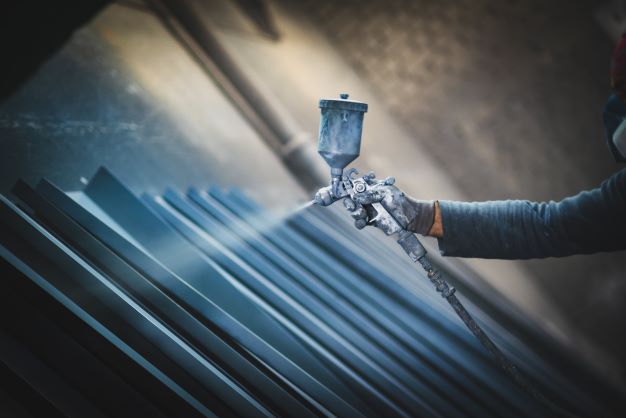
Selecting the appropriate spray system is important for obtaining maximum results in industrial paint spraying. Two primary types of spray systems generally used are Airless and High-Volume Low-Pressure (HVLP) systems. Airless systems are renowned for their ability to discharge paint at increased pressure, making them ideal for large-scale projects where quickness and coverage are critical. In contrast, HVLP systems are made to apply paint at diminished pressures, resulting in smoother finishes and reduced overspray, making them suitable for detailed work in settings like shop spaces and offices.
When deciding which system to use, consider the specific requirements of your project. For example, if you are operating on a storage facility or manufacturing facility where durability and speed are a priority, an airless system may be more appropriate. Conversely, for intricate applications, such as in educational institutions or hospitals, where premium finishes and reduced paint waste are vital, opting for an HVLP system may yield better results. Comprehending the distinct characteristics of these systems can help simplify the decision-making process and lead to high-quality outcomes.
Moreover, assessing the scale of the project can impact your choice significantly. For compact to intermediate jobs, an HVLP system may provide the effectiveness needed without sacrificing on quality. However, for extensive projects that demand rapid turnaround time, airless systems can coat big surfaces much faster, reducing total labor costs. Ultimately, choosing the suitable spray system involves reconciling the project scope with the intended finish quality, ensuring that both productivity and visual appeal are considered.
Pricing and Productivity Benefits
Business paint spraying offers substantial cost benefits for big projects. By employing advanced spray technology, businesses can cover wide areas more quickly compared to conventional painting methods. Additional hints reduces labor costs but also minimizes the amount of paint required due to uniform application, maximizing material utilization and leading to savings. Furthermore, the quickness of completion permits businesses to reinvest time saved into alternative critical operations, enhancing overall productivity.
In addition to direct cost savings, commercial paint spraying improves project efficiency. The rapid drying times associated with spray techniques mean that environments can be accessed again and utilized more quickly, which is particularly beneficial for businesses operating in crowded environments. The ability to work on big projects without extensive put-offs leads into fewer disruptions for daily operations, allowing companies to maintain their pace and avoid any potential loss of income associated with prolonged stoppage.
Moreover, commercial spray painting promotes environmentally friendly approaches by minimizing waste and promoting the use of eco-friendly paints. With an increased focus on sustainability, businesses can take advantage of choosing water-based spray paints, leading to a better workplace and minimizing environmental impact. As companies increasingly prioritize sustainability alongside productivity, the use of commercial paint spraying positions them positively in both day-to-day and corporate responsibility aspects.