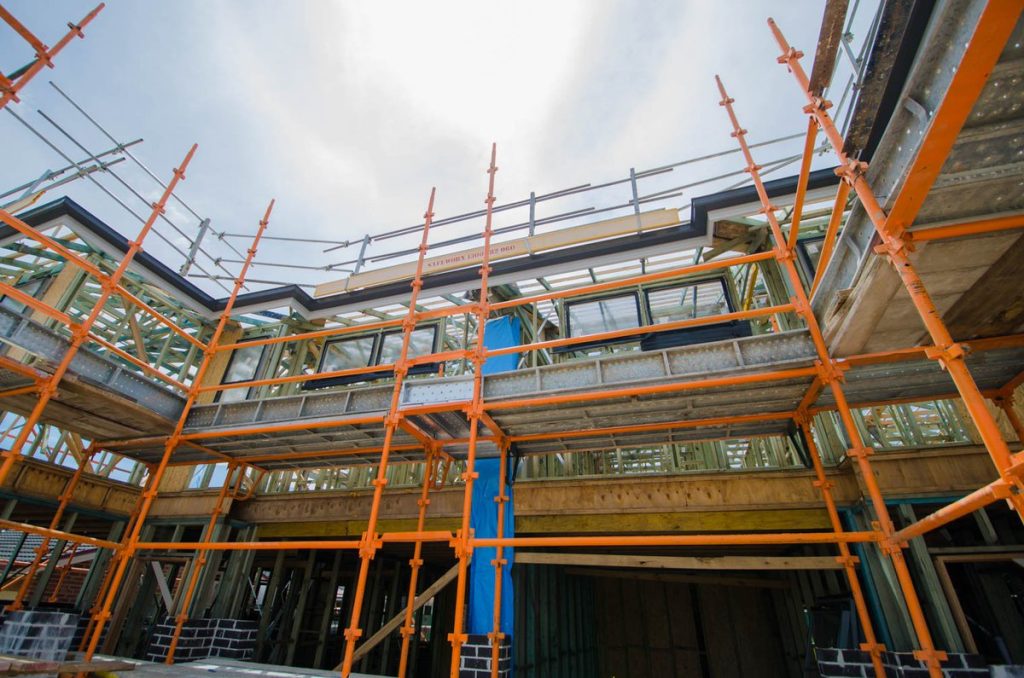
Scaffolding is an essential part of building that often goes overlooked until you find yourself working on a high-rise or restoring a historic building. The role of scaffold professionals is crucial, as they combine both craftsmanship and expertise to the complex task of constructing and maintaining scaffolding frameworks. These workers ensure that construction projects are executed safely and efficiently, allowing laborers to reach significant heights while reducing risk. Knowing what a scaffolding contractor performs is important for anyone involved in building, whether you're a contractor, architect, or homeowner.
In this guide, we will delve into the art of scaffolding and explore the many reasons why engaging professional contractors is not just an option, but a necessity. From the importance of security in scaffolding construction to how these experts maintain projects on schedule, we will provide a comprehensive overview of the field. Scaffolding Contractors In Queenborough will also analyze the different types of scaffolding, the traits to consider in a provider, and the impact of weather on scaffolding activities. By the end of this article, you will obtain essential insights into the realm of scaffolding and discover how to choose the appropriate contractor for your job.
Understanding Scaffolding Specialists
Scaffolding specialists play a vital role in the construction industry by delivering transitory structures that assist workers and materials during the building process. Their skills is essential in ensuring that scaffolding systems are designed and set up correctly, adhering to safety regulations and industry standards. These professionals are trained to assess project requirements and select the suitable scaffolding type, thus enhancing workflow and providing efficient access to multiple heights.
A key aspect of a scaffolding contractor's job is the emphasis on safety. They are tasked for conducting detailed inspections, servicing equipment, and confirming that all safety protocols are followed. This includes training workers on safe practices while working at heights and putting in place measures to prevent accidents and injuries on site. The value of safety cannot be exaggerated, as it protects not only the workers but also the integrity of the construction project and those around.
Additionally, scaffolding contractors must collaborate closely with builders, engineers, and project managers to ensure seamless integration of scaffolding into the overall construction plan. This cooperation helps keep projects on track and within cost projections, as they provide valuable insights on the best scaffolding solutions. By capitalizing on their knowledge, scaffolding contractors contribute considerably to the success of any construction endeavor, from private homes to massive commercial projects.
The Importance of Professional Scaffolding
Professional scaffolding is crucial for securing the safety and productivity of development projects. Experienced scaffolding professionals comprehend the specific demands of diverse builds and the necessity of adhering to safety regulations. They are trained to analyze the needs of each project, selecting the suitable type of scaffolding and arranging properly to support workers and materials. This skill reduces the risk of accidents and guarantees that construction progresses steadily.
Furthermore, hiring professional scaffolding professionals can result in substantial time and cost benefits. Skilled contractors are skilled at erecting and dismantling scaffolding quickly, which facilitates maintain projects on schedule. Their familiarity of local codes and standards ensures compliance, preventing costly delays from potential charges or redoing. By using professionals, builders can dedicate themselves to their core tasks with the certainty that security and effectiveness are in expert hands.
Finally, the importance of expert scaffolding extends further than mere building. Quality scaffolding can improve the overall structural integrity of a project, especially in extensive developments. Contractors who emphasize dependable, well-designed scaffolding add to the longevity and safety of buildings, making them crucial partners in construction and restoration projects. This reliability ultimately establishes confidence and contentment among clients and investors alike.
Protection and Compliance in Scaffold Construction
Safety and compliance are essential in the scaffolding industry. Scaffold contractors are accountable for ensuring that all support systems meet regional construction regulations and security regulations. This involves thorough-going knowledge of statutory obligations and security protocols set by institutions such as the OSHA. Proper training and certification for scaffolding workers are essential, as they provide the necessary skills to recognize hazards, use equipment correctly, and maintain secure working conditions.
To uphold high safety standards, scaffold contractors perform regular inspections and evaluations of their equipment and configurations. This proactive approach not only guarantees adherence with regulations but also aids prevent accidents on location. They often utilize checklists and compliance checks to identify potential risks and take corrective measures promptly, fostering a culture of safety among all workers involved in the project. By prioritizing these inspections, contractors show their commitment to creating secure environments for construction activities.
Additionally, adherence with security regulations assists scaffolding contractors establish a positive reputation in the sector. Clients are more likely to hire contractors who value security and demonstrate a established track record of compliance to regulations. This not only protects the workforce but also enhances project efficiency and reduces costs associated with accidents and delays. As the building industry develops, the emphasis on safety and adherence will persist to be a vital factor for successful scaffolding contractors.