

Recently, photovoltaics has emerged as a key component in the quest for energy self-sufficiency. As issues about climate change and changing energy prices grow, many residents are considering solar panels as a practical alternative to standard energy sources. By capturing the power of the sun, individuals can not only reduce their electricity costs but also support a more sustainable future. With advancements in technology, the cost-effectiveness and performance of solar panels continue to improve, making it an attractive option for families across the country.
If you are considering a residential system for your home or a larger commercial system, understanding the nuances of solar energy is essential. From knowing how solar panels work to exploring the various financing options available, this article will guide you through everything you should understand to make an educated choice. With topics spanning the positive impacts of solar energy to suggestions for caring for your solar system, we will delve into the reasons why investing in solar panels might just be the answer to achieving energy independence for you and your family.
Grasping Solar Panels
Solar panels are devices that convert sunlight into power, providing a green energy source for houses and businesses. They operate through the photovoltaic effect, where photovoltaic cells made from semiconductors, typically silicon-based, absorb light particles from sunlight and emit charge carriers. https://canvas.instructure.com/eportfolios/3790473/entries/13717156 of charged particles generates DC power, which can be converted into alternating current (AC) power for application in regular needs.
Setting up solar energy systems on your land can lead to significant savings on energy expenses, especially in solar-rich locations. The initial investment may seem daunting, but various financing options, public incentives, and tax breaks can help reduce these outlays. Many residents find that they can recover their outlay within a few years, making solar energy solutions a practical choice in the long run.
Moreover, solar energy systems not only decrease energy costs but also support to eco-friendliness. By utilizing sustainable energy, they lessen reliance on conventional fuels, thereby reducing pollutants and reducing carbon footprints. As innovation progresses, photovoltaic systems are becoming more productive and accessible, solidifying their role as a key player in the transition toward energy independence.
Financial Factors
Investing in solar panels can greatly alter your monetary situation, particularly when factoring in sustained savings on energy bills. Homeowners who switch to solar often see a decrease in their monthly utility costs, resulting in considerable savings during the life cycle of the system. Additionally, some regions provide lucrative government programs and tax credits that can help offset the upfront installation costs, making solar power an even more appealing option for those seeking to improve their monetary freedom.
When evaluating the price of putting in solar panels, it is important to understand the total costs involved beyond just purchase price of the panels alone. This comprises installation fees, upkeep costs, and potential financing options. Homeowners should also take into account the return on investment, as solar systems can boost property value. Many studies show that homes with solar installations fetch more than those lacking, providing an extra financial benefit.
The choice to install solar panels should also take into account future energy price trends. As traditional energy costs continue to rise, locking in a stable solar rate can protect homeowners from fluctuating electricity prices. Moreover, with innovations in solar technology and battery storage, homeowners can enhance their energy savings and efficiency, making solar power a smart financial decision for those seeking energy independence.
Ecological Influence
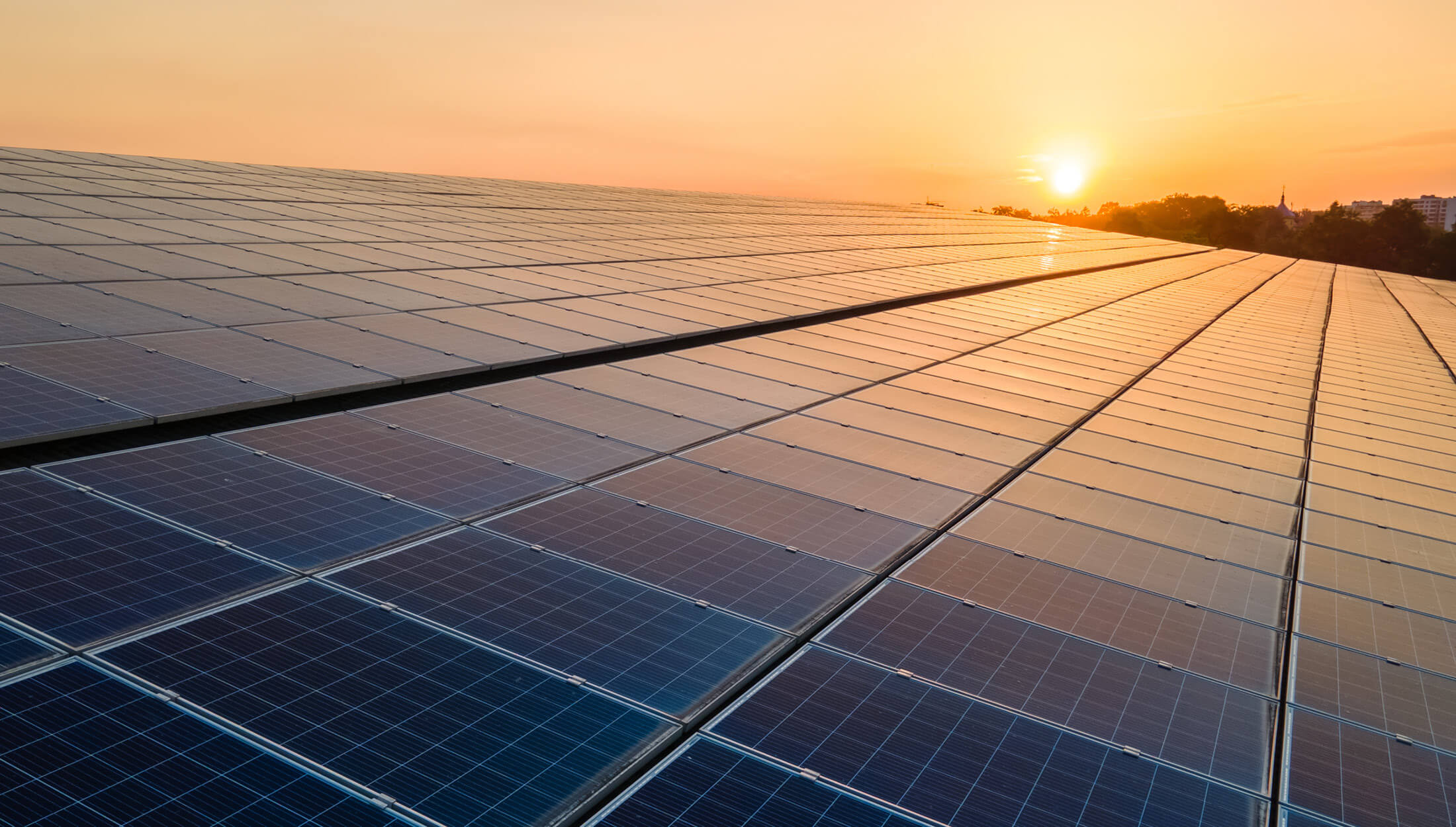
The use of solar energy systems significantly diminishes greenhouse gas output, which are a key contributor to climate change. By capturing energy from the solar source, solar panels create electricity without carbon dioxide or other harmful pollutants into the atmosphere. This shift towards renewable energy is essential for lessening global warming and securing a more sustainable planet for future generations. As an increasing number of homes and businesses adopt solar panels, the cumulative effect results in a notable decrease in the carbon footprint associated with traditional fossil fuels.
In addition, solar energy aids diminish our need on non-renewable resources such as coal, oil, and natural gas. These resources are not only finite but their harvesting and combustion can lead to ecological harm, habitat destruction, and air and water pollution. By investing in solar technology, individuals contribute to a more eco-friendly energy system that values the health of our ecosystems, leading to cleaner air and preserving wildlife.
Furthermore, the use of solar systems promotes energy self-sufficiency for homeowners and communities. This transition allows areas to create their own energy, lowering reliance on imported fuels and enhancing energy safety. Solar energy systems can provide power even in distant areas where traditional grid access is restricted, strengthening local economies and enabling a transition to more independent energy systems. As the system for solar energy continues to develop, its favorable environmental impact will continue to grow, encouraging a sustainable future.