

Spray-painting is a dynamic approach that can alter multiple surfaces with ease and efficiency. If you are looking to revitalize your furniture, add a burst of color to your walls, or undertake a more complex industrial project, grasping the basics of spray painting is essential. But, with this form of expression comes the duty of ensuring your safety throughout the process.
In this article, we will examine the craft of perfect spray painting while focusing on your safety and safety. From choosing the appropriate spray paint for your individual needs to learning the appropriate techniques, we will discuss everything you need to know to create professionally completed projects without jeopardizing on safety measures. With the appropriate steps and knowledge, you can express your imagination with assurance, knowing you have followed the required steps to safeguard yourself.
Crucial Painting with Spray Strategies
To get a flawless spray paint finish, perfecting the skill is important. Start by holding the spray can or spray gun at an appropriate range from the surface, typically roughly six to 12 inches. This distance helps to apply an uniform coat without overspray or drips. Move your hand in a steady, gliding motion, beginning and ending each spray stroke off the edge of the surface. This method ensures that the paint goes on uniformly and reduces the risk of build-up in one area.
Another important technique is to apply several delicate coats rather than one heavy coat. Light coats dry faster and help avoid runs and drips. Let each coat to dry to the touch before applying the subsequent one, usually around 15 to thirty minutes, depending on the paint used and the environment. This layering approach not only yields a refined finish but also improves the longevity of the paint on the surface.
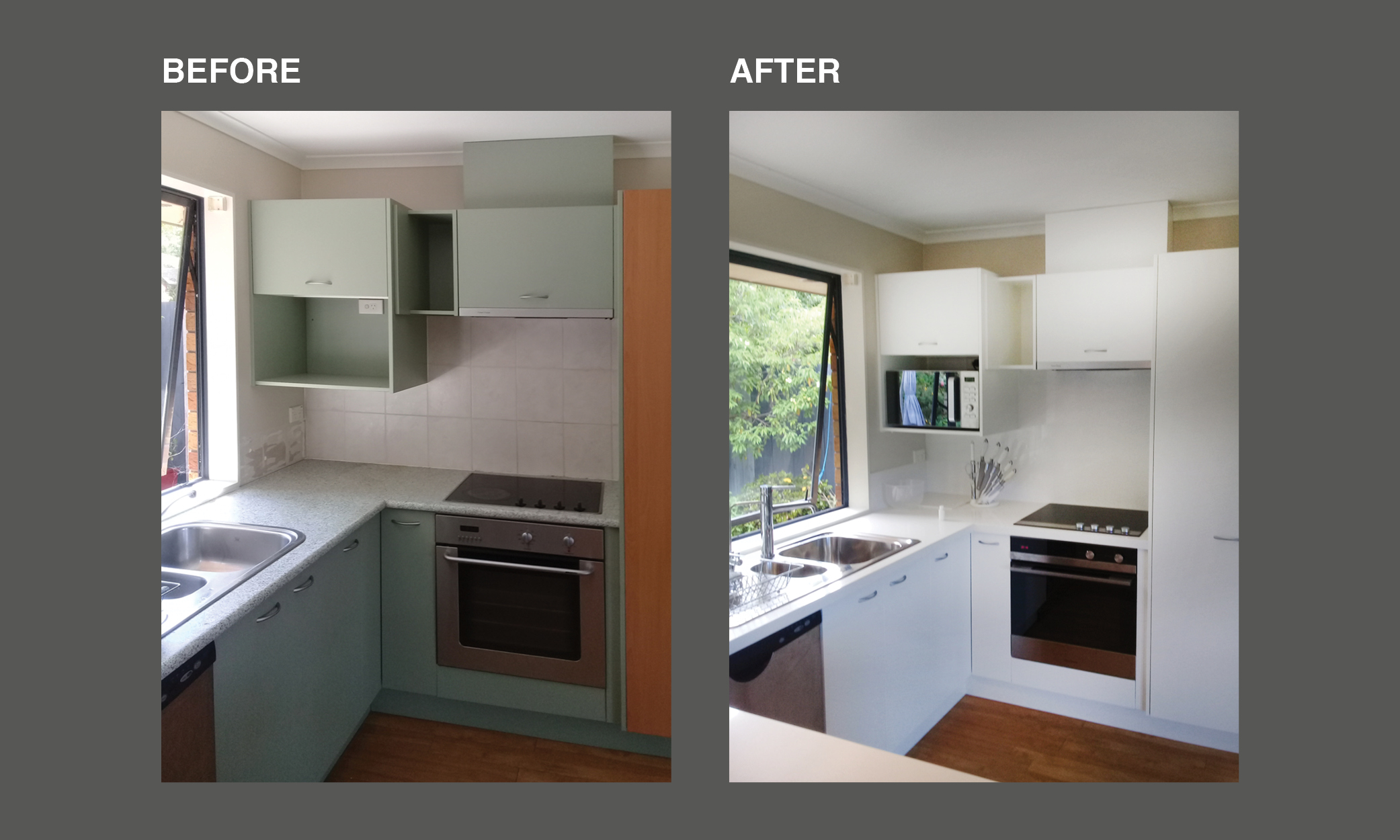
Finally, take into account the angle and position of your spray to ensure full coverage. For detailed areas or surfaces with curves, alter the angle of the spray nozzle to reach all nooks and crevices effectively. Practice maintaining a steady speed while spraying to prevent patchy areas. By incorporating https://wilkins-goodman.hubstack.net/spray-painting-myths-dispelled-what-you-you-genuinely-need-to-learn into your spray painting projects, you can obtain expert results while enjoying the creative process.
Safety Measures for Spray Painting
When engaging in aerosol painting, personal safety should be your highest priority. Always wear protective gear, including goggles, hand protection, and a mask, to protect yourself from toxic fumes and excess paint. Safety glasses protect your vision from paint particles, while a respirator filters out toxic chemicals, making sure you inhale safely. Additionally, gloves keep your hands safe from paint and potential hazards.
Preparing your work area is equally important for protection. Ensure the area is adequately aired, preferably outdoors or in a shed with unlocked entryways and windows. If working indoors, use fans to enhance ventilation and reduce the levels of airborne paint. It's essential to remove any combustible materials, like fabrics or papers, from the vicinity to minimize fire risks. Keeping a safety device close by is also a prudent measure.
Finally, be mindful of the aerosol application technique you use. Always keep the aerosol can or sprayer at the recommended distance from the surface to prevent overspray and drips. Move with deliberate strokes and avoid painting in gusty winds, which can blow paint harmlessly through the air. Following these safety measures will help ensure a safe and enjoyable aerosol painting session.
Choosing appropriate Instruments and Materials
Selecting the equipment and resources is essential for effective spray painting projects. A good spray gun or aerosol can should suit the specific requirements of your project. For intricate work, go for a fine mist spray gun that provides precision, while a wide spray nozzle is better for larger surfaces. Investing in high-quality spray paints designed for your project's surface will also yield better results, ensuring adhesion and durability.
In addition to the spray equipment, do not forget about using protective gear such as gloves, masks, and goggles to ensure safety while working. Proper preparation demands the right cleaning supplies and masking materials to protect areas you do not wish to paint. Sandpaper, drop cloths, and painter's tape are necessary to achieve clean lines and a neat finish. Each tool holds a critical role in the overall success of your spray painting efforts.
Finally, never ignore the value of a good primer. Opting for a suitable primer that matches your spray paint can boost the final appearance and longevity of your work. It protects surfaces, provides a uniform base, and improves adhesion, especially on permeable materials like wood. By carefully choosing your tools and materials, you'll position yourself up for a successful and satisfying spray painting experience.