

In the current ever-evolving automotive market, the appeal of pre-owned cars keeps to increase, with numerous drivers embracing the worth and reliability that pre-owned cars can offer. As new models hit the dealership floors each year, the surplus of well-maintained vehicles available in the second-hand market presents an amazing opportunity for smart buyers. Whether you're a first-time driver looking for affordable options or a seasoned motorist wanting to upgrade affordably, navigating the world of pre-owned cars effectively can turn a problematic purchase into a premium ride.
This guide seeks to provide you with essential knowledge and real-world tips to successfully shop for and purchase pre-owned vehicles in 2026. Starting with understanding the details between certified and non-certified cars to spotting the greatest deals online, we will cover everything you must understand to make smart choices that align with budget and preferences. By taking the right steps, not only can you find a trustworthy vehicle, but you can also enjoy the benefits of luxury at a significantly lower the price. Let us explore the transformative journey from problem vehicle to luxury in the realm of pre-owned cars.
Essential Advice for Purchasing Quality Used Cars
When searching for dependable used cars, start by conducting thorough investigation on various makes and models. Acquaint yourself with the common issues that specific vehicles face over time and read feedback from both experts and consumers. Websites that collect user reviews and ratings can be especially beneficial. Limit your options down to cars that both fit your budget but also have a reputation for dependability.
Afterward, prioritize obtaining a vehicle history report for any used car you seriously evaluate. This report can unveil crucial information, such as past accidents, title status, service history, and odometer readings. A clean history report is a good indicator of a car's reliability, while any warning signs could signal hidden problems. If possible, whenever you can ask for the car's maintenance records to see how well it has been maintained by previous owners.
In conclusion, don't skip the importance of a detailed inspection and test drive. Check for any signs of wear and tear, such as unusual noises, fluid leaks, or rust. During the drive, observe to how the car handles, brakes, and accelerates. If you're not confident in your ability to evaluate the car, think about hiring a professional mechanic to perform a pre-purchase inspection. This step can offer additional peace of mind and help ensure you are making a sound investment.
Inspecting Pre-owned Vehicles: A Comprehensive Guide
When inspecting a pre-owned car, begin with the exterior. Look for possible damage, corrosion, or uneven paint, which could suggest previous accidents. Examine the condition of the tires, including tread wear and air pressure. Make sure to evaluate the headlights, taillights, and indicators to make sure they function properly. A detailed inspection will provide you a good first impression of the vehicle's overall condition.
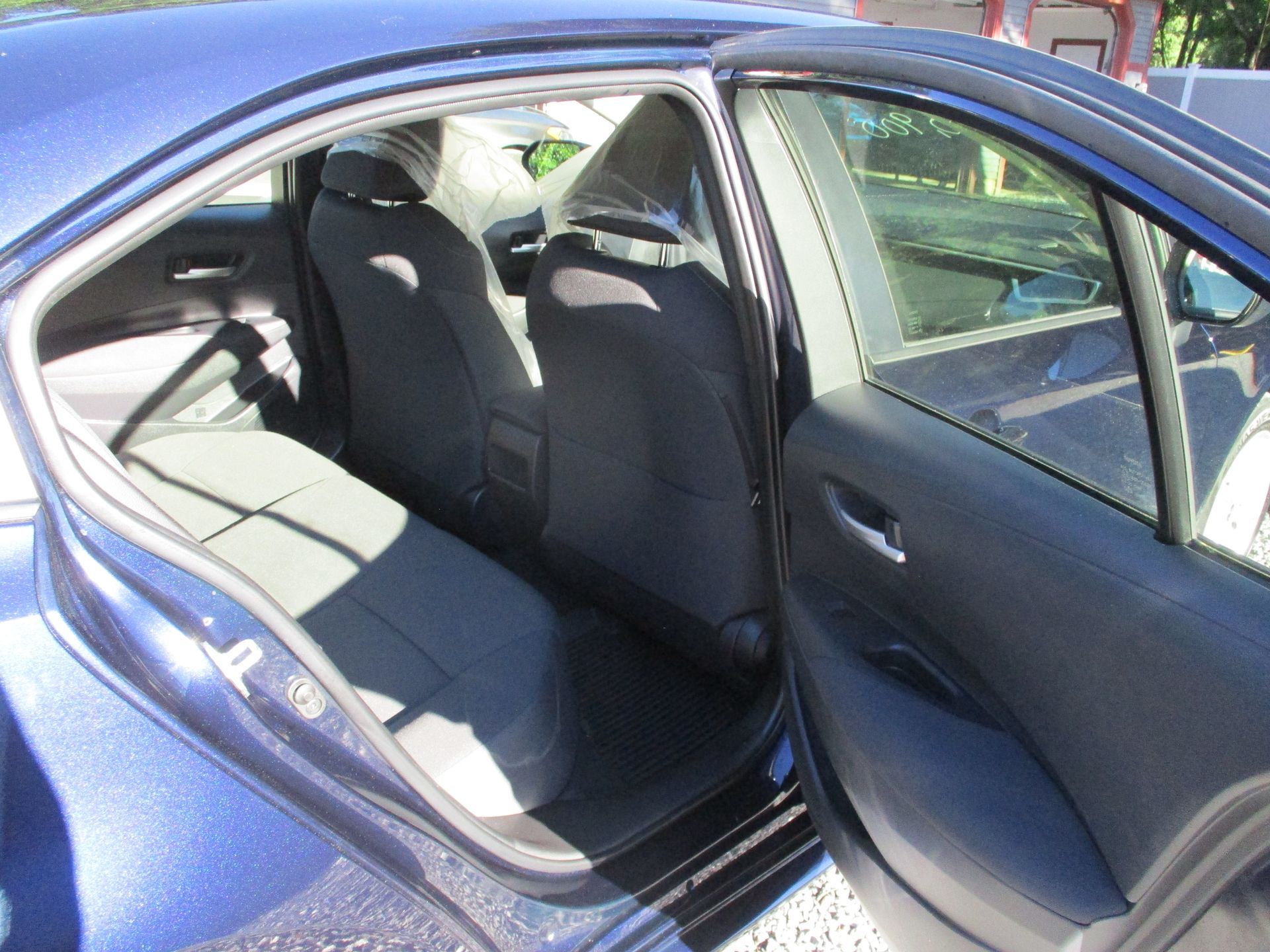
Then, proceed to the inside. Used Cars For Sale Worcester , the trunk, and the hood to check the space. Look for signs of abnormal wear and tear on the seats and dashboard. Test every electronic components, such as the radio, air conditioning, and navigation system. Pay attention to possible strange smells, which might signal issues like mildew or previous water damage. A tidy and well-cared-for interior often shows the former owner’s attention for the vehicle.
Finally, go for the car for a test drive. Pay attention for possible unusual noises from the engine or while changing gears. Pay attention to how the car handles and brake responsiveness. Test it on different road conditions, speeding up and slowing down to make sure it operates smoothly. A comprehensive test drive can reveal potential problems that might not be visible in a static inspection. Always trust your instincts; if something feels off, it might be necessary rethinking the purchase.
Financing The Pre-owned Car Acquisition
As you evaluating the acquisition of a used vehicle, understanding your financing alternatives is important to crafting a sound financial decision. A lot of customers choose conventional auto loans, that are offered via financial institutions, cooperative banks, and dealerships. It's important to shop around for the lowest interest rates and terms, as they can significantly affect the monthly payments and overall cost of the car. Internet calculators can help you estimate your budget and recurring costs, enabling you to arrive at well-considered judgments.
One more option to explore is financing with pre-approval, which gives you a more accurate understanding of the financial capacity prior to you start looking for a car. Receiving pre-approval can facilitate the purchase process and give better leverage in talks with sellers. Additionally, contingent upon your credit rating, you may qualify for special credit options or special promotions from car makers. Always check the fine print and consider the total expense of the loan over the terms of the loan duration to steer clear of hidden costs.
In conclusion, taking the time and reviewing your financial status will help you understand how much you can afford to spend on a used vehicle without stretching the financial limits. Take into account costs beyond just the financing, such as insurance, maintenance, and fuel. Additionally, reflect on how selling your previous car can add to your down payment. A thoughtful approach to funding can make driving the dream used car a viable option while keeping the financials secure.