

Setting up a standalone stove can improve the warmth and ambiance of your home, but the procedure can seem daunting at first. Whether you are planning to install a wood stove, understanding the installation steps is important to ensuring a secure and efficient setup. This guide will walk you through all you need to know about free-standing stove installation, from the first planning stages to the final details that will make your home cozy and welcoming.
As you embark on this project, it is important to consider factors such as the most suitable location for your stove, venting options, clearance requirements, and necessary tools. We will discuss key topics, including how to create a hearth pad, guarantee compliance with safety regulations, and avoid common installation mistakes. With the proper knowledge and preparation, you can acquire the art of free-standing stove installation and enjoy the many benefits it offers to your living space.
Standalone Stove Mounting Basics
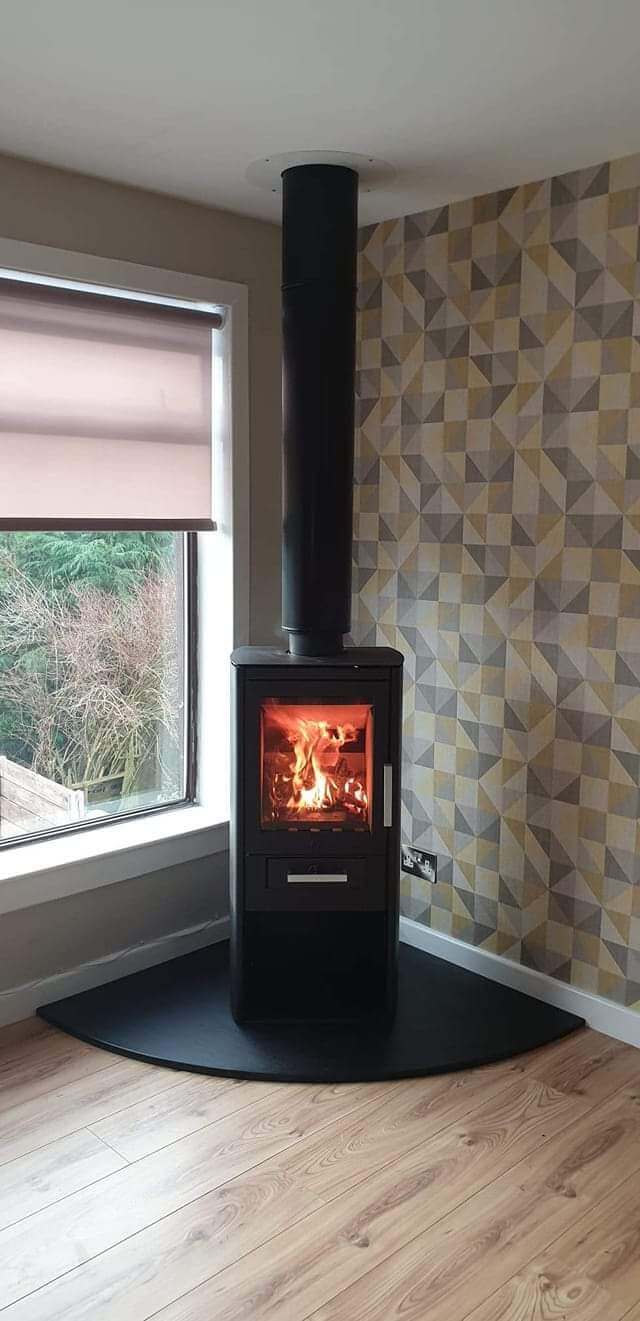
Setting up a freestanding stove can boost the coziness and aesthetics of your house. Understanding the fundamentals is important before jumping into the mounting process. Initially, you need to select the right type of heater for your space. Options available include timber, gas, and pellet stoves, each with distinct features and setup needs. Familiarize yourself with the details of your selected stove style, as this will impact many factors of the installation.
Next, it is crucial to check regional construction codes and laws. These codes can dictate crucial elements such as clearance criteria and airflow approaches. Certain setups may require permissions, so be sure to check in with regional governments before starting your project. Additionally, knowing the clearance criteria will help you determine the ideal site for your stove and ensure security.
In conclusion, assembling the necessary instruments and supplies is a vital part for a effective installation. Depending on the type of stove, you might need a measuring tool, drill, stove pipe, and hearth pad components, among other tools. Being well prepared will simplify the mounting procedure and help you prevent typical issues. With a firm knowledge of the fundamentals, you can confidently move forward with mounting your standalone stove.
Security Factors and Requirements
When installing a free-standing stove, security should be your top concern. Each type of stove, whether wood, gas, or pellet, comes with specific clearance criteria that determine how close the stove can be to barriers and other flammable materials. Make sure to comply to producer instructions and local building codes to ensure proper spacing. Avoid placing the stove in locations with poor ventilation, as insufficient airflow can lead to dangerous conditions, such as CO build-up.
Another essential aspect of a secure installation is proper floor protection. Understanding the floor safety rules for wood, pellet, and gas stoves is important to prevent fire hazards. Using a non-combustible hearth pad that is appropriately sized and installed can significantly reduce risks. Furthermore, check your surrounding area for any potential fire hazards, such as furniture, drapes, or left items that could ignite from the stove's warmth.
Finally, think about the installation of smoke and carbon monoxide detectors in proximity to your stove. It's crucial to place these detectors at appropriate heights and ensure they are operational. Regular maintenance, such as checking power sources and watching for any signs of failure, is necessary to keep your home secure. Installing a free-standing stove not only improves your living space but, when done properly and securely, provides warmth and comfort throughout the colder months.
Frequent Mounting Errors and Remedies
One typical mistake when mounting a standalone stove is overlooking to account for appropriate distance requirements. Many homeowners misjudge how much room is needed between the stove and adjacent walls or furnishings. Inadequate clearance can pose grave fire hazards. The fix is to thoroughly review the designer’s specifications and local building codes prior to installation to ensure the stove is set properly away from combustible materials.
Another common blunder is overlooking to properly seal and draft-proof the stove pipe connections. Without proper sealing, drafts can cause smoke to permeate the living space, leading to unease and potential health risks. To avoid this issue, use heat-resistant sealants and ensure that all joints and connections are tightly fastened. Regularly checking Helpful site will also help ensure optimal performance and safety.
A concluding error often noticed is neglecting the significance of venting options. Opting for the wrong type of venting, whether roof or wall, can lower the stove's efficiency and increase the risk of smoke backdrafts. Residents should evaluate their specific needs and local regulations to determine the best venting system for their installation. Consulting a expert can provide valuable insights to address these choices efficiently.