

When the hot season heat comes, a dependable air conditioning unit is crucial for ease and overall satisfaction. Whether you’re upgrading your current system or setting up one for the very first time, grasping the nuances of air conditioning installation can create all the impact. With different options available, such as central air systems and mini-split systems, property owners often confront the challenge of choosing the best solution for their preferences. This piece is designed to lead you through the procedure with insider tips, helping you make informed decisions for an effective and effective installation.
From understanding when it's appropriate for a new system to understanding the costs and gains, we will cover everything you should to know about air conditioning installation. You'll discover about the common errors to avoid, the significance of professional help, and how adequate preparation can guarantee a trouble-free installation experience. With the proper information, you can improve your home's ease while also boosting its worth. Let’s dive into the comprehensive manual to air conditioning installation and uncover the tips for a smooth installation.
Choosing the Right Air Conditioner
Choosing the appropriate air conditioner for your home is crucial for maintaining comfort and energy efficiency. Begin by evaluating your home’s size and layout. A system that is undersized will struggle to cool your space, while one that is too large can result in increased energy consumption and humidity issues. You can use a BTU calculator to determine the cooling capacity needed based on your area, ceiling height, and sun exposure.
Next, consider the various types of air conditioning systems on the market. Central air systems can effectively cool larger homes, while ductless mini-split systems are perfect for spaces lacking existing ductwork or for cooling individual rooms. Each option has its own installation requirements and costs, so it's necessary to evaluate your home’s infrastructure and your budget. Additionally, look for energy-efficient models that use refrigerants with reduced environmental impacts, as these can result in lower utility bills in the long run.
Finally, familiarize yourself with the important features that modern air conditioning systems provide. Smart thermostats, variable-speed compressors, and advanced air filtration systems can enhance comfort and efficiency. When selecting a model, check the Seasonal Energy Efficiency Ratio (SEER) rating, which shows how well a unit operates over a cooling season. A greater SEER rating means superior energy efficiency but may come with a higher upfront cost. Balancing these factors will help you make an informed decision that meets your needs and promotes long-term savings.
Installation Process and Timeline
The setup process for air conditioning systems generally begins with an assessment of your home's individual requirements. A certified installer will evaluate the size and layout of your home, existing ductwork if applicable, and your climate control requirements. This phase is essential as it makes sure you choose the appropriate air conditioner model and size, preventing you from finding yourself with a unit that is either too small or oversized for your space.
Once the assessment is completed, the installation team will schedule a date to begin the work. The actual installation typically takes a full day, depending on the complexity of the setup. For existing homes, this includes removing any old units, making any necessary modifications to the air ducts, and installing the new air conditioning system. If you're opting for a ductless mini-split system, the process might be faster since it requires less extensive modifications to your home.
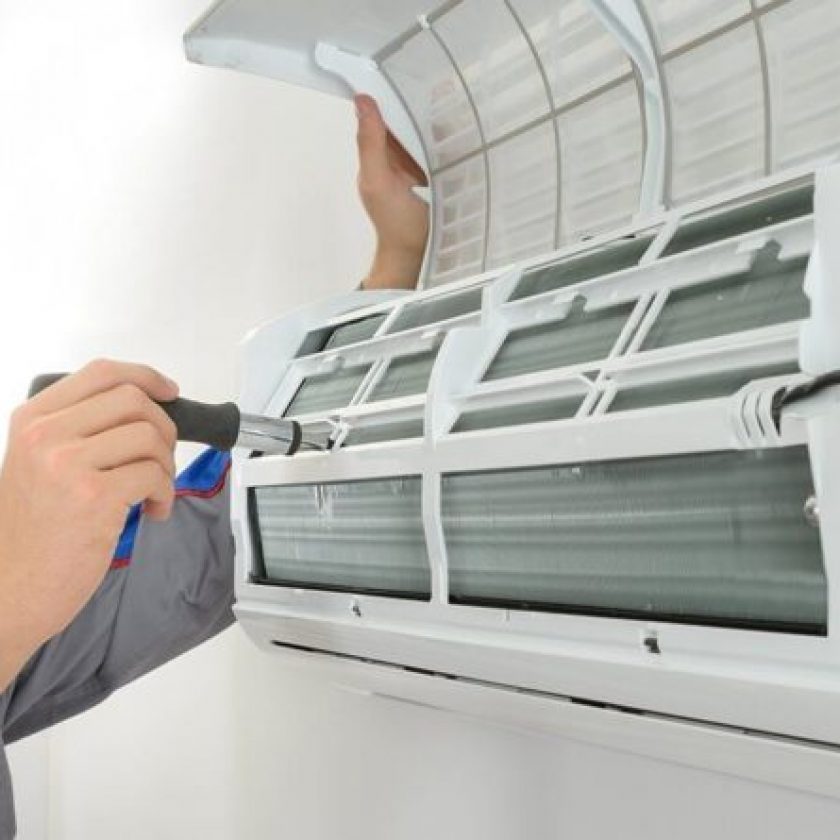
After setup, an inspect-and-test step takes effect to ensure everything is operating correctly. This includes verifying the thermostat, making sure no leaks in the ductwork, and confirming the system's efficiency. Homeowners can expect receiving a rundown of how to use their new system and any maintenance tips to extend its lifespan. air conditioning installation Walton-on-Thames , being informed and prepared can make the entire setup process smooth and efficient.
Cost and Payment Methods
If you are considering air conditioning installation, understanding the associated prices is crucial. The average price for installing a fresh air conditioning system can vary considerably depending on variables such as the kind of system, the size of the unit, and the intricacy of the installation. Central air conditioning units commonly cost from $3,000 to $7,000, while ductless mini-split systems can be priced between two thousand dollars to five thousand dollars. Further expenses may consist of required modifications to ductwork, authorizations, and labor costs, which can contribute numerous hundreds of dollars to the total.
For homeowners troubled about initial costs, a number of financing options can make installation simpler. Many HVAC companies offer financing schemes that allow you to cover the installation in payments, often with minimal or no interest for a defined term. Additionally, some local governments and utility companies may provide rebates or incentive programs for installing eco-friendly systems, which can significantly lessen the financial burden of a new air conditioning unit.
It's vital to weigh the long-term savings against the upfront installation costs. High-efficiency air conditioning systems not only enhance comfort but can also lead to greatly lower utility bills. By selecting a system with a high Seasonal Energy Efficiency Ratio (SEER) rating, you can save money on utility costs over time, making the expenditure a good deal. Always consult an experienced HVAC professional to comprehend the best options for your financial plan and requirements.