

Creating a stunning landscape that resonates with your ideas can be among the most rewarding projects a property owner can embark on. Whether you dream of a tranquil garden retreat, a lively and bright display of blooms, or a easy-care outdoor space that invites leisure and enjoyment, transforming your backyard into a gorgeous oasis is within your reach. Designing landscapes is not just about selecting the perfect flora; it includes multiple elements, including hardscape, lighting design, and the overall layout, to create a balanced outdoor environment.
As we delve into the world of landscape design, we’ll explore innovative ideas and practical tips to help you realize your ideal landscape. From understanding the distinctions between contemporary and timeless styles to finding out how to create an sustainable garden, you’ll gain insights that cater to your particular needs and desires. Whether you have a spacious yard or a compact space, there are solutions available that can elevate your home’s outlook. Join us as we travel through essential concepts, design strategies, and inspiration that will lead you from vision to manifestation in creating your perfect outdoor retreat.
Top Landscape Design Concepts
Creating a gorgeous backyard begins with a clear vision of the landscape you envision. Think about adding different elements such as colorful flower beds, rigorous greenery, and structured walkways to create defined spaces. Employing a mix of plants, shrubs, and trees can offer layers and depth, offering visual interest during the seasons. Avoid shy away from stylistic touches like a Mediterranean garden or a tropical retreat to showcase your personal style and improve the overall atmosphere.
Including hardscaping features like patios, pathways, and retaining walls can provide functionality and aesthetic appeal to your outdoor space. Materials such as rock, brick and concrete can be creatively used to connect the natural elements in your yard. Arrange outdoor furniture and fire pits to create welcoming spaces for relaxation and entertainment, making your backyard a social hub for family and friends.
For those working with smaller areas, maximizing impact is essential. Employing vertical gardening techniques or raised beds can maximize space while providing a rich array of plants. Strategically placed Discover more here or light-colored features can create the sense of greater space. Don’t forget to include elements that show your lifestyle, whether it's a small herb garden or a cozy reading nook, making sure your landscape is both appealing and functional.
Practical Garden Design Tips
Developing a stunning landscape does not have to be overwhelming. Start by evaluating your space and defining your needs. Take into account the quantity of sunlight your yard receives, the soil quality, and the climate in your area. It’s crucial to pick plants and features that flourish in these conditions to ensure a lively landscape that requires less maintenance. Furthermore, sketching a rough layout can help imagine where to position different elements like plants, pathways, and hardscaping components.
Incorporating hardscaping into your design can add structure and reduce maintenance. Features such as patios, walkways, and retaining walls can create functional spaces while improving the aesthetic of your yard. Consider using materials that complement both your home’s architecture and the surrounding landscape. Utilizing rocks, bricks, or pavers can offer long-lasting appeal and style, making your outdoor area not only beautiful but also practical for entertaining or relaxing.
In conclusion, don’t forget about the value of seasonal interest and color in your landscape design. Choosing a diverse range of plants that bloom at different times of the year ensures year-round beauty. Incorporate evergreens for winter structure, bright flowering plants for spring and summer, and leaf-shedding trees that provide fall color. Outdoor lighting can also play a crucial role in showcasing your landscape during the evening, creating an inviting atmosphere that encourages outdoor enjoyment well into the evening.
Deciding the Appropriate Landscape Features
Choosing the appropriate garden elements is important for building a cohesive and beautiful outdoor environment. Start by thinking about the complete style and design of your garden plan, whether it's modern, conventional, or a combination of both. Incorporating elements that reflect your property's style can develop a seamless connection between indoor and outdoor zones. Pay attention on main elements such as vegetation, hardscape features, and external structures, making sure they align with your goal and enhance the charm of the space.
Plants play a crucial role in landscape planning, providing color, surface, and shape. Pick a variety of perennials, shrubs, and arboreal plants that prosper in your environment and fit the level of care you’re prepared to commit to. Furthermore, think about seasonal variation attractiveness by picking plants that exhibit blossoms and leaves in diverse seasons. Including indigenous plants can support environmental health and invite beneficial organisms, encouraging a lively habitat in your landscape.
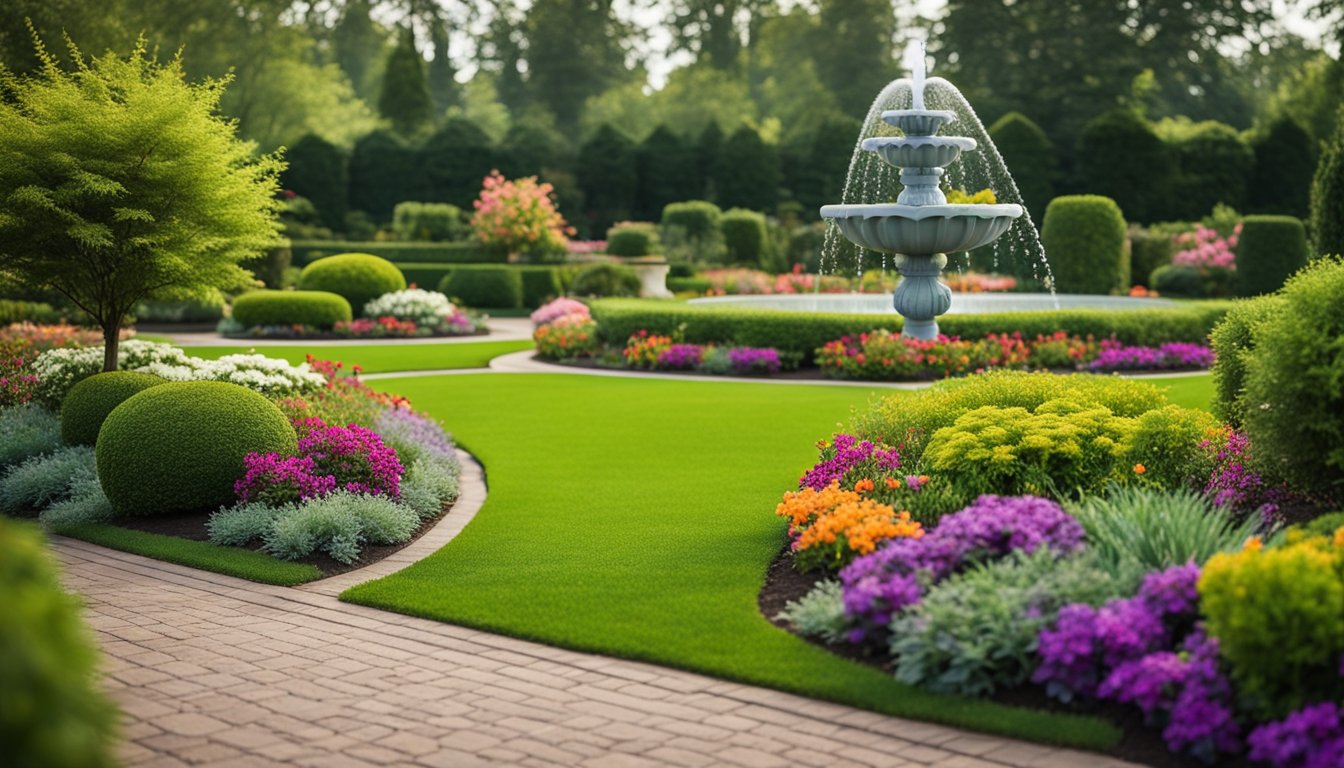
Hardscape elements, such as patios, trails, and fences, also add significantly to the practicality and beauty of your garden. These elements can define areas, guide flow, and create zones for leisure or entertainment. Lighting is another essential element that can improve the beauty of your outdoor design layout after sunset. Careful placement of lights can emphasize focal features and establish a inviting atmosphere, allowing your landscape environment inviting at all moment of the night.