

Deciding on the right flooring for your home can be a overwhelming task, particularly with a multitude of options available and the constantly changing trends. Whether you are renovating a single room or taking on a whole-home project, it’s crucial to avoid common flooring faux pas that can lead to financial mistakes and unhappiness down the road. Starting with understanding the differences between hardwood and laminate flooring to choosing the best materials for busy areas, making educated choices is key to reaching the appearance and functionality you want.
In this guide, we shall delve into some of the most typical flooring mistakes homeowners make and provide practical tips on how to steer clear of them. We will also look into key factors to consider when deciding on flooring for specific rooms, the pros and cons of various materials, and the newest trends to keep an eye on in 2026. By being aware of these mistakes and arming yourself with the necessary knowledge, you can improve your living space while ensuring a stylish and enduring flooring choice.
Choosing the Best Floor Covering Material
Deciding on the right floor covering material is critical for enhancing the aesthetic and practicality of your home. With an array of options available, residents must consider their way of life, budget, and the particular needs of each room. High-traffic spaces may profit from heavy-duty materials like composite or high-end vinyl planks, which provide strength and ease of upkeep. On Find more information , for more cozy spaces, such as sleeping quarters, gentler choices like carpet or manufactured hardwood can deliver coziness and softness.
An additional essential factor is the harmony of the flooring material with the house's design and interior. From the palette to the design style, the floor covering should complement the complete concept of the house. Additionally, opting for eco-friendly flooring choices can support environmental friendliness without compromising design. Bamboo, and recycled materials are growingly popular choices that merely look fantastic but also promote a better eco-system.
In conclusion, consider the atmosphere of your area when choosing floor covering. For instance, areas prone to moisture, like kitchens and restrooms, thrive from waterproof flooring solutions such as stone or vinyl. In contrast, rooms with cooler climates may be more adapted for materials that can capture heat, like rugs or certain kinds of hardwood. By taking these considerations into your decision, you can make a thoughtful decision that enhances your house's charm and usability.
Care and Cleaning Tips Advice
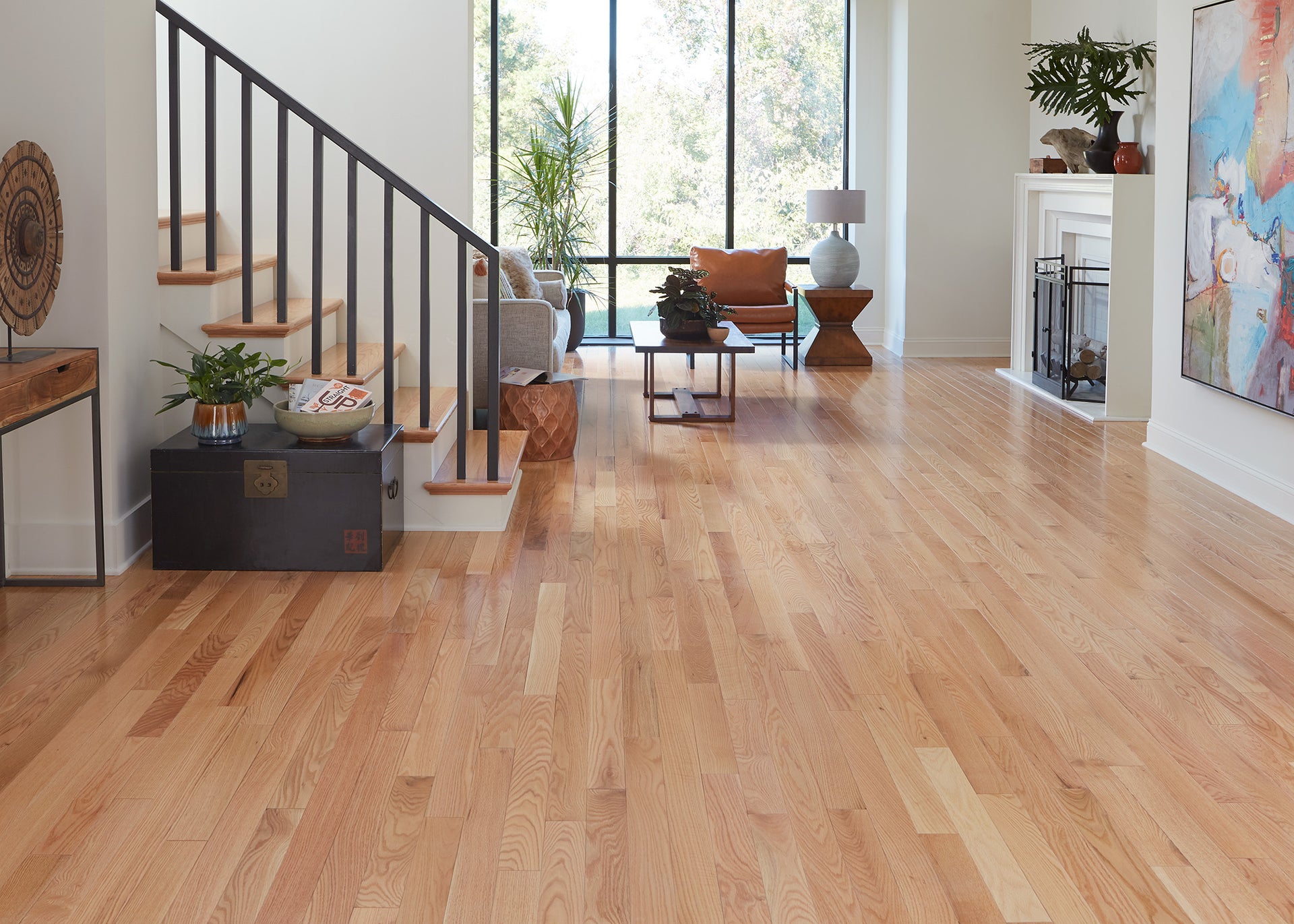
Effective maintenance and cleaning of your flooring is crucial for preserving its appearance and longevity. For wood floors, consistent vacuuming to eliminate dirt and debris is important. Avoid wet mopping, as excess moisture can damage the wood; instead, use a microfiber mop with a suitable wood cleaner. Consistently applying a protective finish can help preserve the shine and protect against scratches and fading.
If you have laminate flooring, the cleaning process is similarly straightforward. Use a damp cloth for spills and clean the floor with a laminate-friendly cleaner or a mix of water and vinegar to keep its luster. Avoid using wax or oils, as they can create a slippery surface and impact the laminate's integrity. Consistently check for any loose seams or damages that may need repair to prevent further wear.
Vinyl flooring is known for its durability and ease of maintenance. To keep it in top shape, sweep or vacuum frequently and mop with a gentle cleaner designed for vinyl. Be cautious with products that may leave residues, as they can make the floor slippery. Additionally, applying felt pads under furniture legs can protect against scratches, while periodic checks for damage or stains can help you resolve any issues early on.
Frequent Floor Errors to Steer Clear Of
One of the most frequent mistakes homeowners make is not considering the specific demands of every area when picking flooring. Various spaces in your home have unique needs; for instance bathrooms and kitchens need waterproof solutions, while lounge areas may profit from more visually pleasing choices. Spending the energy to assess the role of every space can prevent costly errors and confirm that the floors complements your lifestyle.
Additionally common mistake is overlooking the importance of proper subfloor preparation. A subpar subfloor can lead to complications such as warping, creaking, or even early deterioration of your new floors. Confirming that the subfloor is clean, even, and dry is imperative for a successful flooring installation. Failing to do so not only influences the lifespan of the flooring but can also result in higher repair costs down the line.
Lastly, many homeowners misjudge the value of expert installation. While DIY tasks might appear economical, improper installation can lead to a host of issues, from misaligned planks to spaces and bumpy areas. Putting money in expert flooring installation can save effort, worry, and future expenses, guaranteeing that your flooring seems great and stands as expected.