

Within today's environment, dealing with waste efficiently has become more crucial than at any time in history. With our demographic grows and usage increases, the necessity for proper waste removal has escalated. Grasping the importance of ethical waste disposal not just helps in maintaining the tidiness of our surroundings but also profoundly impacts our environment. By utilizing the correct approach, we can change garbage management from a burden to an chance to promote sustainability and protect our planet.
This piece investigates innovative ways to remove and reuse trash, highlighting all aspects from the advantages of employing professional services to tips for property owners. The article will discuss the ecological advantages of responsible waste disposal and the relationship between reusing and waste removal. By understanding these concepts, both individuals and companies are able to make a contribution to a cleaner, healthier future and creating a favorable impact on their local areas.
Garbage Removal Essentials
Proper waste disposal is vital for ensuring hygienic and healthy environments. By efficiently managing the disposal of rubbish and discarded materials, societies can reduce waste, avert pest problems, and boost the overall standard of life for their residents. The value of proper waste disposal is paramount, as it directly impacts public health, safety, and environmental conservation.
Choosing the right waste disposal service stands as important for guaranteeing that waste is processed effectively. When choosing a service, consider factors such as the categories of waste they handle, their removal methods, and their adherence to eco-friendly practices. A trusted company will provide open information about their methods and can help you understand the intricacies of waste management, from regular disposal to bulk haul-offs.
Grasping the difference between waste removal and recycling stands as key to maximizing the benefits of disposal services. While waste disposal focuses on the collection and transport of non-recyclable materials, recycling aims to transform and convert materials for utilization. By combining both practices successfully, individuals and businesses can contribute to a more sustainable waste management system that diminishes landfill burden and fosters environmental safeguarding.
Impact on the Environment
Appropriate waste removal plays a vital role in protecting the environment. By making sure that waste is disposed of properly, we can limit pollution and ease the strain on earth's resources. When waste is poorly managed, it can lead to contamination of soil and water, affecting ecosystems and wildlife. Thus, responsible waste disposal helps protect habitats and maintain biodiversity.
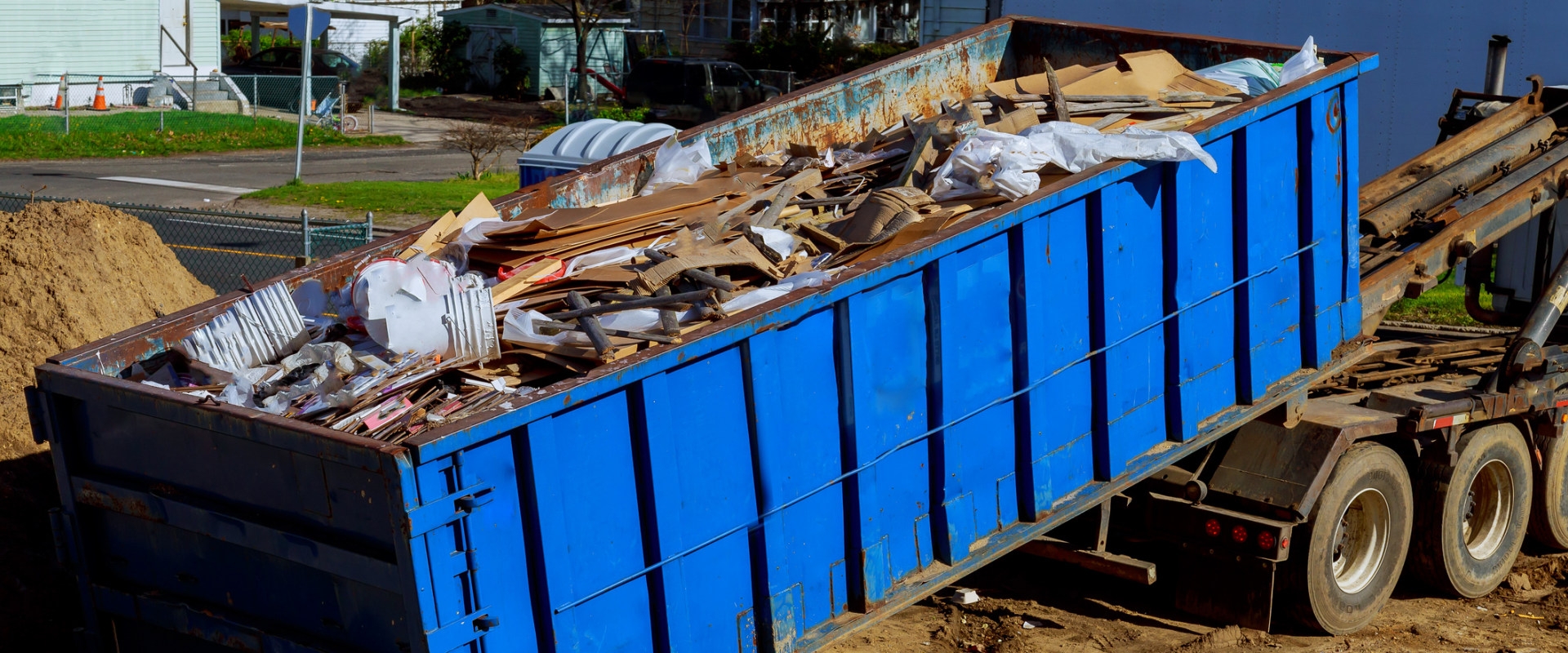
Moreover, effective waste removal contributes to the diminution of greenhouse gas emissions. Landfills are significant sources of methane, a potent greenhouse gas that is released as organic waste decays. Implementing efficient waste management practices, such as green recycling and recycling, can redirect organic materials from landfills and greatly lower emissions. Get more information but also supports international efforts to fight climate change.
Furthermore, communities benefit from eco-friendly waste removal practices that promote public health and well-being. Planned waste collection reduces the chance of illegal dumping and accumulation of waste, which can draw pests and contribute to health hazards. By maintaining clean surroundings, communities cultivate a healthier environment and improve the quality of life for residents, demonstrating the interconnectedness of waste management and community health.
Useful Waste Disposal Advice
Successful trash disposal involves considering the waste you generate. One key tip is to carry out routine audits of your garbage. By analyzing what items make up the bulk of your trash, you can identify ways for minimization, reuse, or reprocessing. For example purposes, if leftover food is prevalent, it may help to change your buying habits or set up a composting program. This insight can help prevent unnecessary waste generation and promote a more sustainable lifestyle.
When it comes to disposing of trash, always pick the correct receptacles for different types of waste. Clearly mark containers for recyclables, organic waste, and non-recyclables to motivate proper sorting. Informing colleagues or team members about these groups is crucial to make sure that all involved knows the value of keeping waste streams separate. This not only increases recycling rates but also diminishes waste mixing, making the recycling process much more efficient.
Finally, be aware about regional waste management services and initiatives. Many communities offer large item pickup days, electronic waste disposal events, or recycling programs that can be useful resources. Participating with these initiatives not only helps you get rid of your trash responsibly but also nurtures a collective effort focused on environmental responsibility. By utilizing existing resources, you can contribute to a more pristine planet while possibly reducing financial burdens of garbage handling.