

Putting money into in business property can be a lucrative venture, however it has its own set of challenges and potential pitfalls. One of the most critical steps in the purchasing process is commissioning a commercial property survey. These surveys offer invaluable insights that can protect your investment and ensure you are taking a knowledgeable decision. Understanding the importance of a comprehensive survey can avoid expensive mistakes and protect you from unforeseen legal disputes down the line.
In this guide will examine the key reasons why commercial property surveys are vital before making a purchase, point out what to consider when commissioning a survey, and review the various types of surveys available. We will delve into the role of accurate land measurements and how they play a pivotal part in commercial real estate transactions. Whether you are an investor, developer, or property owner, knowing the ins and outs of commercial property surveys will empower you to make more informed, more strategic decisions in the challenging real estate market.
The Significance of Commercial Property Surveys
Business real estate surveys play a key role in the property purchasing process. Before making any substantial investment, it is essential to have a comprehensive understanding of the piece of real estate in focus. Surveys provide vital information about the land, including borders, terrain, and existing structures. This data helps potential investors assess the viability of their investment and avoid unexpected problems down the line. Establishing correct land borders and dimensions can prevent disputes and clarify ownership, ensuring that buyers have assurance.
Additionally, commercial property surveys are essential for compliance with local regulations and zoning laws. Understanding the particular requirements associated with a property can significantly impact its development potential. A comprehensive survey reveals any easements, pathways, or zoning limitations that may impact future construction or changes. This information is not only critical for purchasers but also for contractors who aim to maximize the value of their investments. Detailed surveys enable informed decision-making, helping investors align their plans with local regulations.
Lastly, commercial property surveys can identify underlying concerns that might not be immediately visible. Structural problems, environmental concerns, or existing encroachments can substantially affect the value and usability of a piece of real estate. By spotting these concerns early on, purchasers can bargain repairs or adjustments before completing their purchase. Ultimately, engaging in thorough surveying protects investments, reduces risks, and lays the groundwork for successful commercial ventures.
Key Considerations Before Commissioning a Assessment
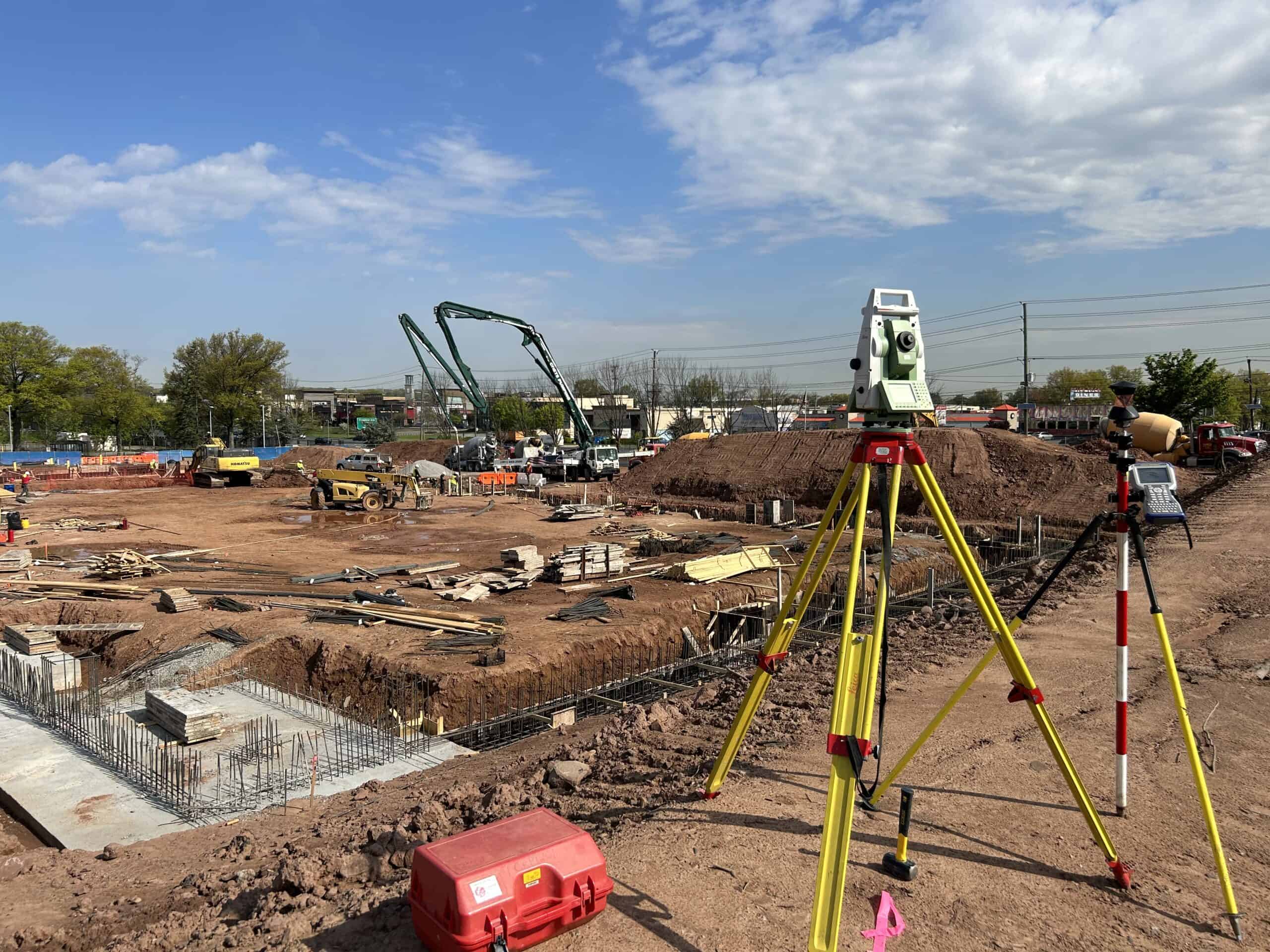
Before commissioning a business real estate assessment, it is crucial to clearly outline the parameters of the project. Identify the specific goals for the survey, whether it's for a possible acquisition, building design, or land improvement. Knowing what information you need will help the surveyor tailor their methodology and guarantee you receive the most relevant data. This clarity will also influence the kind of survey required, such as property line assessments, topographic assessments, or infrastructure surveys.
Another important consideration is choosing a skilled and seasoned surveyor. Research potential surveyors by checking their qualifications, past work, and client reviews. It's advantageous to choose for surveyors who focus in commercial properties and are familiar with local laws and industry norms. A carefully selected assessor will not only deliver accurate outcomes but also counsel you on any possible issues and compliance with land use laws.
Finally, the timing plays a critical role in the surveying procedure. Engage a professional as soon as possible in the real estate acquisition or construction phase to identify any possible problems that could arise later on. Holds in commissioning a survey can lead to unforeseen complications, potentially derailing timelines and budgets. Being forward-thinking helps that are making smart decisions, which ultimately safeguards your capital and encourages positive initiative results.
Choosing the Right Surveyor for Your Requirements
Choosing the right commercial property surveyor is crucial for guaranteeing you get accurate and thorough findings. Begin by looking into land surveyors who specialize in business properties and have a verified track record in your area. Search for qualifications and affiliations with professional organizations, as these can reflect a dedication to industry standards and best practices. Additionally, consider their expertise with properties comparable to yours, as this familiarity can improve their grasp of specific issues and requirements related to your project.
When interviewing potential surveyors, ask relevant questions about their methodologies, technologies used, and the varieties of surveys they provide. It's important to ensure they are knowledgeable in the different forms of commercial property surveys, including boundary surveys, ALTA/NSPS land title surveys, and topographic surveys. Requesting get more info and evaluating past projects can also give insight into their trustworthiness and attention to detail. A capable surveyor will be willing to explain their approach and how they plan to fulfill your specific needs.
Finally, consider the expenses associated with the survey and how they align with your budget. While it's tempting to pick the cheapest option, keep in mind that excellence and expertise often come at a cost. Be transparent about your budget, and ask for detailed estimates that break down services offered. Building a strong rapport with your chosen surveyor can make the experience easier, as effective communication is key in addressing any issues during the measurement process.