

Organizing a funeral is a extremely emotional and often overwhelming responsibility, especially when confronted with the loss of a loved one. Managing this journey requires not only sensitivity but also practical knowledge to ensure that the wishes of the deceased are respected and that the needs of the family are met. In this detailed guide to memorial planning, we will discuss various elements of this vital process, empowering families to make thoughtful decisions during such a challenging time.
Starting with understanding the expenses involved to making decisions between interment or cremation, the decisions surrounding a funeral can be daunting. If you are making arrangements for someone who has recently passed away or considering pre-planning for your own arrangements, this guide will provide guidance into memorial service planning best practices, common pitfalls to stay away from, and the importance of tailored tributes to celebrate a lifetime well-lived. Come with us as we walk through each step of this process together, aiming to ease the burden on families while ensuring meaningful remembrances for those we hold dear.
Key Steps in Funeral Arrangements
The initial step in funeral planning is to assemble necessary details and discuss the wishes of the departed as well as the choices of the loved ones. Funeral Services Ruabon may involve having delicate conversations about what the loved one wanted regarding their final arrangements. It is crucial to think about whether they preferred burial or cremation and to talk about any special requests they may have made regarding the ceremony. Having these discussions early can help guide subsequent decisions and simplify the stress on loved ones during an difficult time.
Following that, it is important to comprehend the expenses involved in memorial planning. Create a budget that accommodates the various components, including the kind of ceremony, casket or urn, transportation, and administrative fees. Investigating prices and options from various funeral homes can provide transparency and avoid unexpected costs. It may also be beneficial to inquire about prepaid memorial plans, which can alleviate financial burdens later on and allow for individual preferences to be locked in in advance.
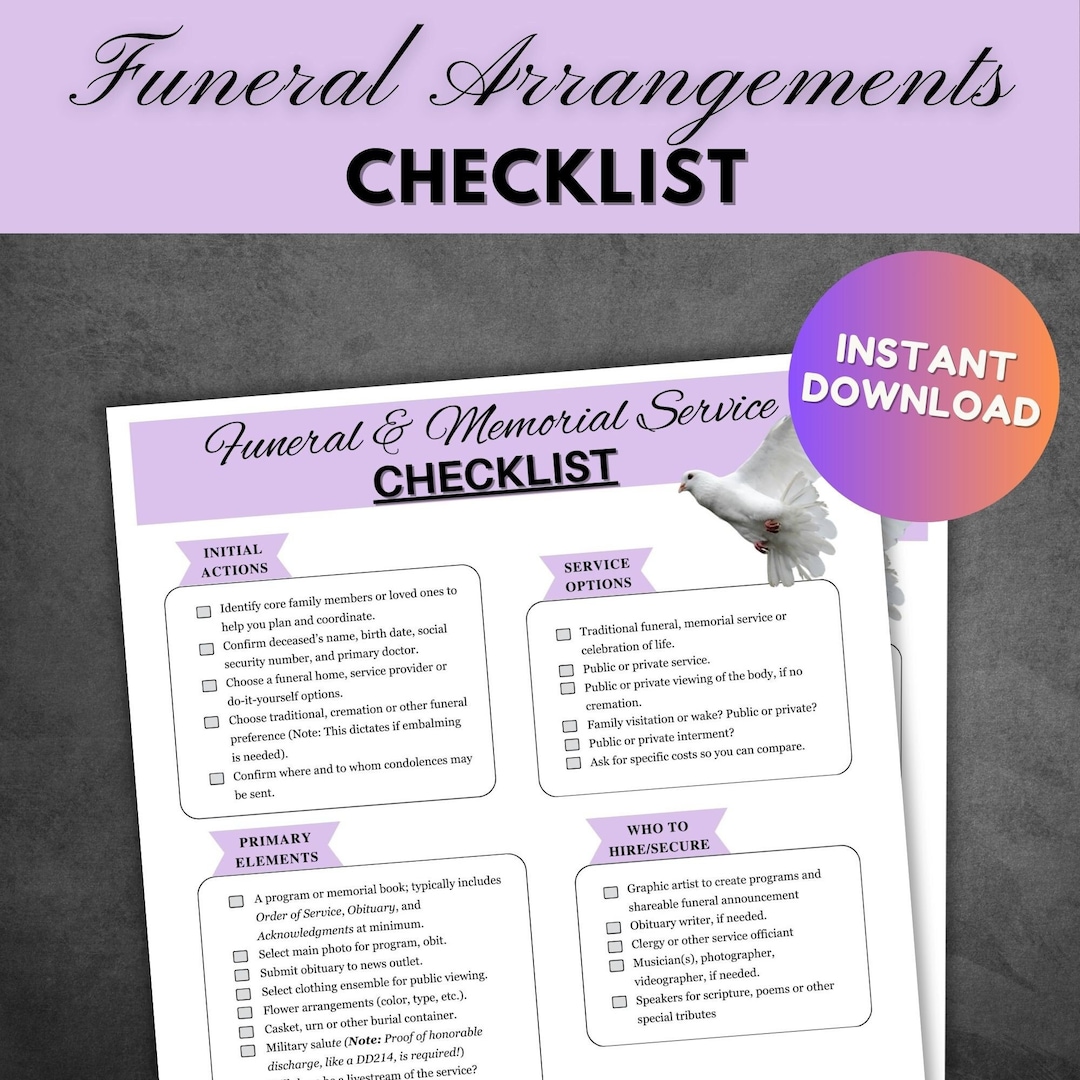
To wrap up, once the fundamental decisions are made, it’s time to create a thorough checklist to ensure that all essential details are covered. This checklist should consist of choosing a funeral director, planning the ceremony arrangements, choosing readings and music, and determining how to customize the experience to honor the loved one’s life. Organizing these elements can lead to a significant ceremony that represents the character and values of the deceased while providing comfort to friends and family during their time of mourning.
Understanding Expenses and Decisions
When organizing a funeral, grasping the expenses associated is crucial for making knowledgeable choices. Funerals can differ significantly in cost, affected by factors such as location, kind of service, and the choices made regarding interment or cremation. It is important to examine the price lists provided by funeral homes, which generally outline necessary services, merchandise, and further costs that may arise. By being informed, families can more efficiently manage their financial plans while remembering their loved ones.
One of the key decisions that will influence the total cost is whether to select burial or cremating. Each option includes its own costs, from the purchase of a burial plot and coffin to cremation services and receptacles. Families should take time to talk about likes and the implications of each choice, including any cultural background or spiritual factors. This decision not only affects the financial plan but also sets the tone for the ceremony and how the legacy of the deceased will be remembered.
Beyond the decision of burial or cremation, several factors contribute to a funeral's costs. Choosing a funeral director, selecting a service type, and including personalized touches can all impact the final expense. To avoid unexpected expenses, families should create a detailed checklist of what they want to incorporate in the ceremony, ensuring that they can provide a meaningful tribute while adhering to their financial means. By considering costs alongside individual values and preferences, families can discover the right balance to honor their loved one respectfully.
Customizing the Memorial Experience
Tailoring a service is a special way to celebrate the unique life of a loved one. This method allows loved ones to think on the individual's traits, passions, and beliefs, creating a ceremony that strikes a chord deeply with those in presence. Including personal touches, such as specific shades, representations, or ideas that represent the person's interests and dreams can make the memorial more significant and comforting for attendees.
A further essential aspect of customizing a memorial is selecting melodies and literature that held meaning for the individual. Whether it's including their favorite songs, cherished verses, or religious texts, these features can trigger beloved memories and bring a sense of peace. Additionally, friends might consider presenting stories or honors that commemorate the person's life, which can also create a spirit of unity and assistance among participants as they share in their sorrow.
In conclusion, establishing an environment that reflects the individual’s essence can enhance the event. This could include thematic arrangements, favorite snacks, or even a slideshow of photographs showcasing beloved memories from their life. By focusing on what made the deceased special, the memorial becomes not just a farewell, but a heartfelt honoring of their journey, providing comfort and connection for friends as they navigate their sorrow as a group.