

In an era where technology is evolving at an unprecedented pace, artificial intelligence has taken center stage, transforming the way we interact with the online world. Among the most fascinating innovations are AI agents—self-operating entities designed to understand and respond to human needs in increasingly sophisticated ways. From virtual assistants that streamline our daily tasks to advanced systems that revolutionize business operations, AI agents are making tailored experiences not just a luxury but a standard expectation.
As organizations acknowledge the immense potential of these intelligent agents, they are leveraging them across various sectors, transforming customer experience, enhancing productivity, and driving innovation. But what exactly are AI agents, and how do they differ from traditional AI chatbots? In this article, we will investigate the fundamental concepts behind AI agents, delve into their applications in modern business, and discuss the future landscape of AI-driven automation. Whether you're a curious beginner or a seasoned professional, this extensive guide aims to empower your understanding of AI agents and highlight their transformative impact on our lives.
Comprehending Artificial Intelligence Agents
Artificial intelligence agents are sophisticated digital systems designed to autonomously carry out operations and determine actions based on data inputs. They utilize artificial intelligence techniques and cutting-edge computational methods to learn from experiences, allowing them to improve their capabilities over time. In contrast to traditional software that requires detailed coding for each operation, AI agents can adjust to changing data and evolving situations, turning them into extremely efficient in constantly changing scenarios.
One of the key features of AI agents is their potential to comprehend and analyze user preferences and actions. By utilizing vast amounts of information, they can customize their interactions to cater to specific demands, from recommending items in e-commerce to offering customized help. This level of personalization enhances customer satisfaction and can result in higher levels of contentment and devotion.
The deployments of artificial intelligence agents cover various industries, transforming how companies function. They play a crucial role in automating routine tasks, optimizing workflows, and augmenting how decisions are made. As companies increasingly embrace these technologies, they acquire a market advantage by enhancing effectiveness and managing assets more efficiently, setting the stage for new business models.
Artificial Intelligence agents in Business
AI agents are progressively becoming a key element in modern business operations, offering cutting-edge solutions to optimize processes and enhance productivity. By Additional hints , they enable organizations to focus on strategic initiatives rather than routine operations. This change allows teams to allocate their time and resources more effectively, ultimately leading to enhanced efficiency and performance across various departments.
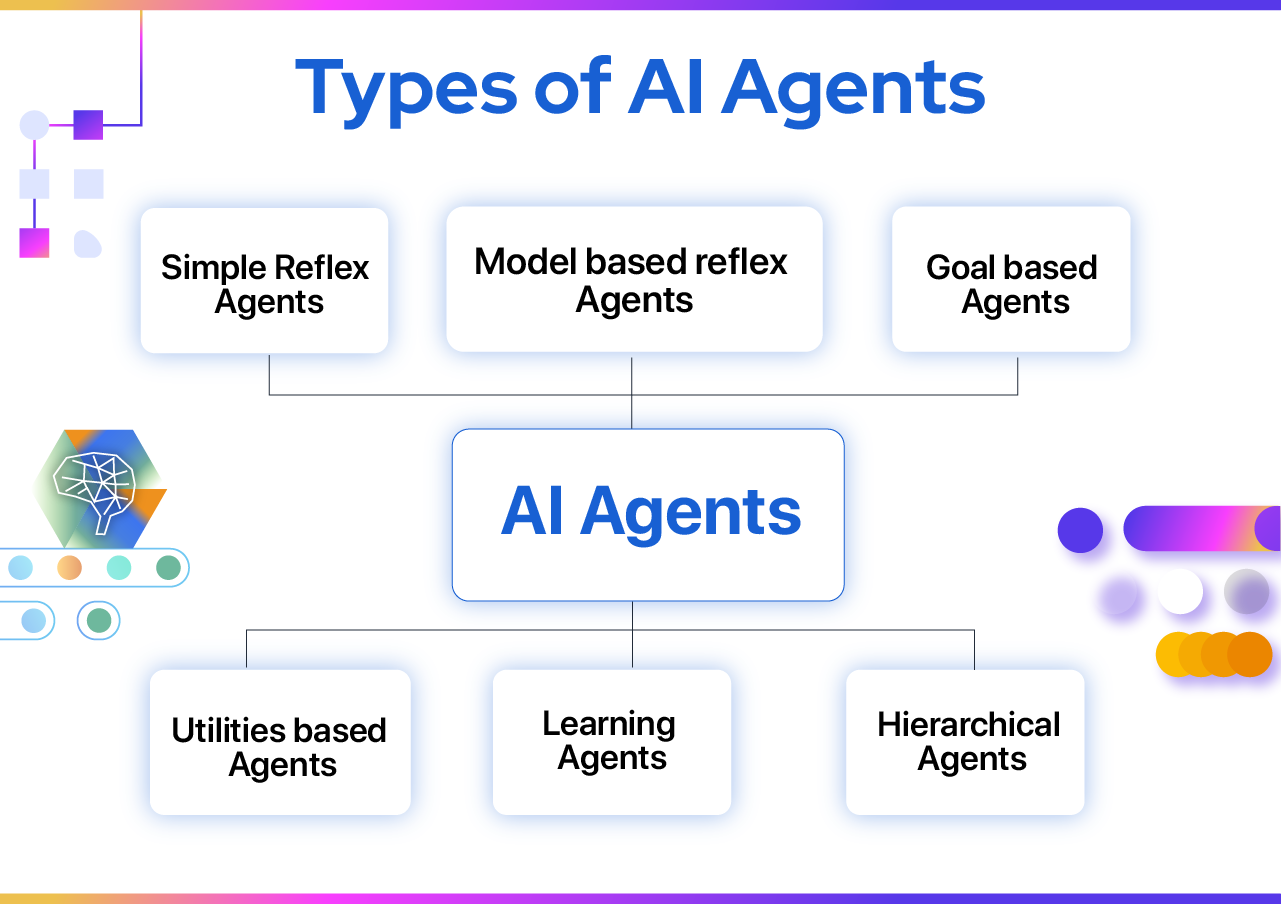
The flexibility of AI agents can be seen in their implementation across different business functions, such as promotion, revenue generation, and customer service. These advanced systems can analyze large sets of data to detect trends, automate campaigns, and generate leads. In client service, AI agents can provide prompt assistance, resolve queries, and improve the customer experience, resulting in increased satisfaction and retention rates.
As businesses persist to embrace digital transformation, the demand for AI agents is expected to grow. Companies that leverage these agents can gain a leading position by improving operational efficiency and responding quickly to market changes. With the suitable AI agent systems and approaches, organizations can not only scale their operations but also cultivate a culture of innovation and agility.
Building and Picking AI Bots
When developing your first AI agent, start by identifying the specific tasks you want it to carry out. This might range from easy query processing to advanced decision-making procedures. It is vital to comprehend the goals of your AI agent and the challenges it will tackle for your business. Once you have identified these targets, you can pick the appropriate tools and frameworks to develop your AI agent efficiently, whether using pre-built platforms or developing from the beginning.
Choosing the right AI agent involves assessing its features and how well they align with your organizational needs. Key aspects to evaluate include the agent's ability to integrate with existing systems, its scalability for future growth, and the intuitive interfaces available for both administrators and final users. Furthermore, examine the level of help and resources provided by the platform to ensure you can deploy and sustain the agent effectively.
Finally, reflect on the importance of testing and revising in the building process. No AI agent is flawless at launch, so it's important to gather user feedback and observe performance closely. This ongoing improvement will help you improve the agent's capabilities, ensuring it develops to meet changing demands and persists to deliver value in your operational workflow. Thoughtful consideration in developing and selecting AI agents will ultimately lead to more effective automation and improved outcomes for your business.