

In today's fast-paced corporate environment, companies are regularly searching for innovative solutions to simplify processes and improve efficiency. A particular solution gaining traction is Peppol software, which plays a crucial role in modernizing electronic invoicing systems. However what exactly is the Peppol software and how does it work? By allowing smooth communication and data exchange between businesses and their partners, this technology is transforming the way invoices are processed. As organizations increasingly recognize the benefits of digital transformation, the implementation of the Peppol software has emerged as a strategic priority for numerous.
From reducing operational costs to ensuring compliance with e-invoicing regulations, the advantages of adopting Peppol software are countless. Throughout this article, we will explore the most effective the Peppol solutions available, key features to think about when selecting the right software for your business, and how to implement these systems effectively. As we delve deeper, you'll discover how the Peppol can not just streamline invoice processing but also support cross-border transactions, which makes it an essential tool for businesses of all sizes seeking to maximize their profits in a digital economy.
Understanding Peppol’s Solutions
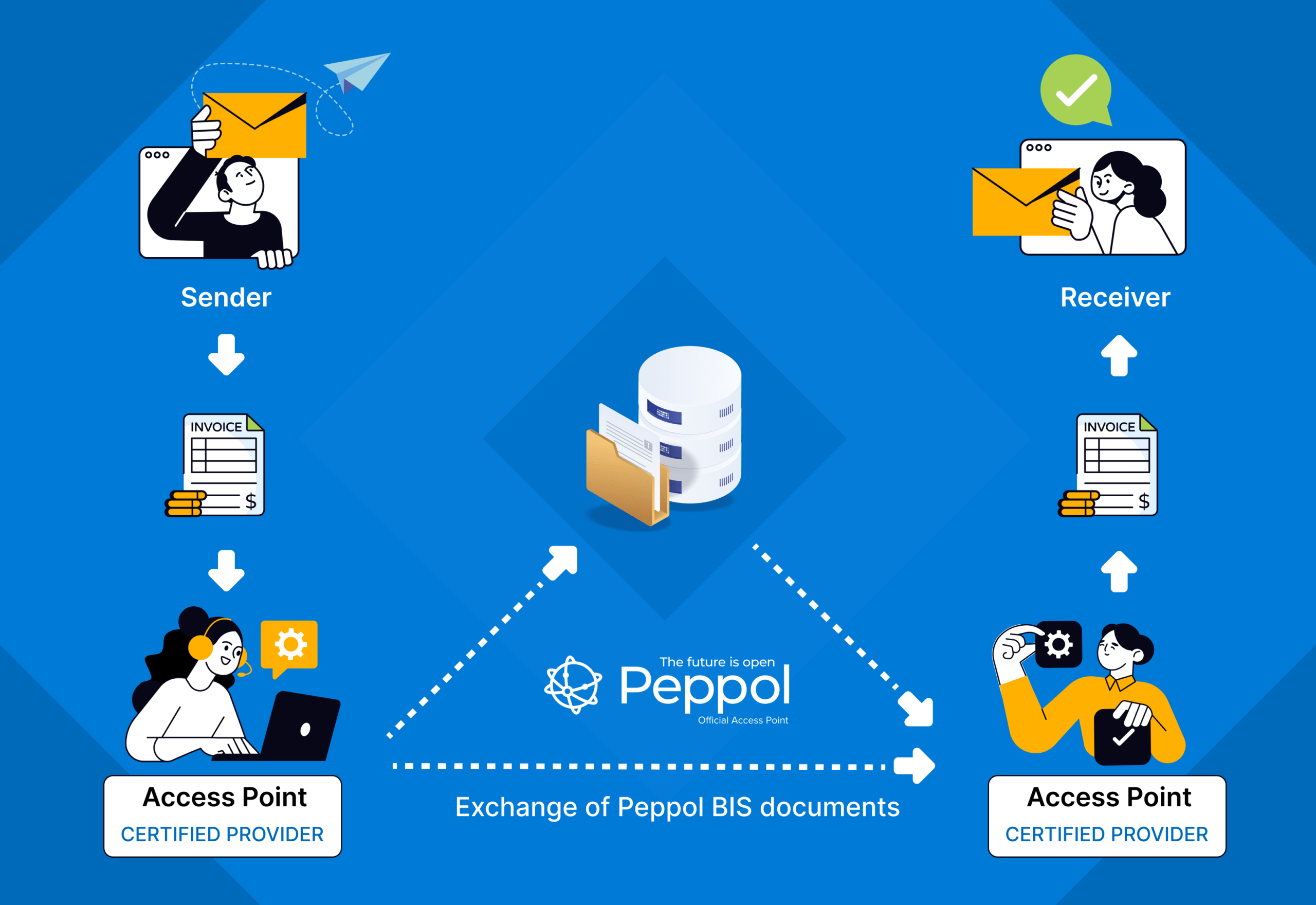
The Peppol solution serves as a crucial enabler for businesses looking to streamline their invoicing and procurement processes. At its core, Peppol, which is an acronym for Pan European Public Procurement On-Line, is a collection of guidelines that facilitate secure and efficient electronic document sharing between trading partners. By integrating different systems through a common protocol, Peppol supports uniform communication and minimizes the hurdles that generally hinder electronic invoicing.
One of the main functions of Peppol software is to allow businesses to transmit and receive invoices, orders, and various files electronically in a standardized format. This integration ensures that no matter of the software employed by each entity, documents can be exchanged effortlessly without the requirement for human input. This boosts not only workplace performance but also compliance with multiple e-invoicing standards across various regions.
As companies increasingly adopt digital technologies, the requirement for robust software that works with current systems becomes paramount. Peppol software not only provides the tools necessary for successful e-invoicing but also supports wider digital transformation initiatives. With capabilities that streamline routine operations and enhance accuracy, companies gain from lowered processing times and costs, ultimately leading to better financial health and development chances.
Benefits of e-invoicing Software
One of the primary advantages of using Peppol solutions is its ability to simplify the processing of invoices. By utilizing a uniform electronic invoicing format, companies can remove many of the manual processes associated with traditional invoicing. This not only reduces errors but also speeds up the entire invoicing cycle, enabling companies to collect payments faster and improve their cash flow. As Great site , companies can allocate resources more efficiently, concentrating on core business operations rather than grappling with invoicing discrepancies.
Another significant benefit of implementing Peppol software is its capacity to improve compliance with e-invoicing regulations. With the growing number of nations adopting laws that mandates electronic invoicing, companies need to ensure they are aligned with these standards. Peppol software facilitates this process by providing built-in compliance features that adhere to regional and international invoicing standards. This reduces the risk of penalties and improves the overall reputation of the business in transactions with partners and associates.
Additionally, Peppol software fosters better integration with existing accounting systems. By connecting seamlessly with various platforms, businesses can automate their accounts payable processes and achieve a higher level of operational efficiency. This integration minimizes the need for duplicate data entry and allows for better tracking of invoices and payments. As organizations scale, this capability ensures that financial management remains efficient, paving the way for sustainable growth and improved financial health.
Integration and Expenses
Integrating Peppol solutions typically includes several phases to ensure that companies can effectively adopt it into their current systems. Initially, companies need to evaluate their existing invoicing systems and determine how Peppol can improve these procedures. This may include consulting with Peppol vendors to grasp system requirements, access points, and connectivity options. Additionally, training staff on the new system is crucial to facilitate a successful transition.
The expenses associated with Peppol solutions can vary significantly based on factors such as the scale of the company, the selected software solution, and any additional features desired. While some solutions may have minimal upfront fees, ongoing subscription models and transaction-based fees could escalate overall expenses. Businesses should also consider potential cost reductions from reduced labor costs related to invoice processing and the gains of expedited payment cycles.
When assessing the return on investment, organizations should consider not just the direct costs of implementation but also the sustained advantages Peppol software offers. These benefits include enhanced accuracy in invoicing, compliance with global standards, and enhanced visibility into financial processes. By carefully analyzing both implementation costs and potential reductions, businesses can make informed decisions about implementing Peppol software.