When did the last time you reflected on the electrical system within your home or business? For people, electrical inspections tend to be an afterthought, often overlooked till a problem occurs. Nonetheless, regular electrical inspections are essential for guaranteeing safety, preventing hazards, and maintaining the efficiency of your electrical systems. Regardless of whether you happen to be a property owner, a commercial property owner, or involved in real estate transactions, understanding the significance of electrical inspections might significantly affect the safety and value of your property.
In this document we will investigate what electrical inspections involve, why they are vital for home and business safety, and how often they should be conducted. EICR Certificates Fife will also discuss common issues discovered during inspections, tips on preparing for one, and the unique requirements of different types of properties. By the end of this guide, you will have a thorough understanding of how electrical inspections serve to safeguard your asset, enhance safety, and even improve energy efficiency.
Grasping Electrical Inspections
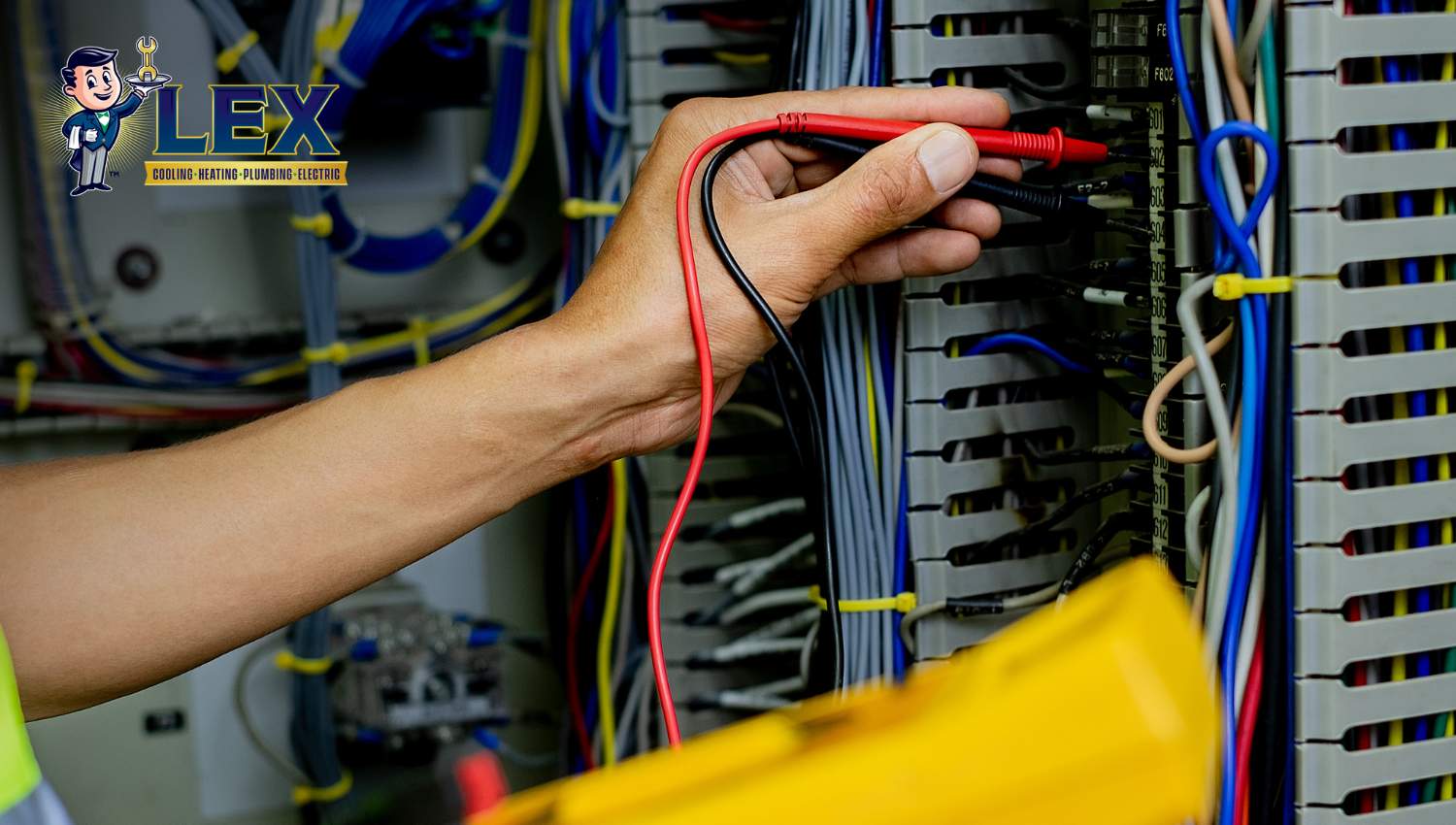
Electrical inspections are a crucial aspect of preserving security and operability in both settings. These assessments consist of a thoroughly detailed examination of a property's electrical infrastructure to ensure that it meets current safety standards and regulations. Inspectors examine potential risks, code violations, and signs of wear and tear that could result in serious problems like fires or electrical failures.
The significance of periodic electrical inspections cannot be overstated. By identifying problems early, homeowners and business owners can tackle issues before they grow into costly and risky situations. Reviews also aid attain compliance with regional regulations, which is vital for securing insurance and protecting investments. For new residence purchasers, inspections provide peace of mind, revealing the overall status of the electrical network before completing a purchase.
As technology evolves, the methods used in electrical inspections are transforming. Modern technologies and techniques, including thermal imaging and smart sensors, enable inspectors to identify problems that may not be visible to the naked eye. This change enhances the precision of evaluations and helps in preparing repairs or upgrades efficiently. Ultimately, understanding the significance of electrical inspections is crucial for ensuring the safety of properties and securing the well-being of all inhabitants.
Common Problems Identified in Assessments
Electrical evaluations often expose a variety of typical issues that can pose safety hazards or indicate the need for fixes. One typical issue is outdated wiring. Many houses, especially those constructed many decades ago, may still have knob-and-tube or metal wiring that does not comply with up-to-date safety standards. These types of wiring can be unsafe, raising the chance of electric fires or appliance malfunction due to inadequate load handling.
Another frequent issue found during inspections is inadequate grounding. Grounding is vital for safely directing electric surges or faults away from the home. If grounding systems are inadequately installed or totally absent, property owners may face electrical shock risks or equipment damage. Inspectors frequently identify that GFCI receptacles, which are important for preventing shock in wet areas, are either missing or not operating properly, further putting at risk safety.
In further to wiring and grounding issues, inspectors often spot overloading circuits. This issue arises when too many appliances are connected to a specific circuit, leading to overheating and potential fires. Homeowners may not realize the risks of overloading circuits, especially if they often use several appliances in parallel. Spotting these problems during an electric inspection is crucial for ensuring a safe electrical system in any residence.
Scheduling & Preparing for Reviews
When it comes to arranging an electrical inspection, it's crucial to plan ahead. Homeowners should consider their local regulations, which may dictate how frequently inspections are needed. Creating a schedule aligned with care and renovation schedules can help guarantee that your electrical system is always compliant and functioning safely. It is advisable to book an inspection at least one time every several years, especially if you live in an historic home or have lately made major updates to your electrical system.
Getting ready for an electrical inspection can make the process easier and more efficient. Homeowners should take time to remove areas around electrical panels, outlets, and breakers. This access allows the inspector to conduct a thorough review without obstacles. Additionally, gathering any previous inspection reports, renovation documents, and warranties related to electrical work can provide valuable context for the inspector and enhance their knowledge of the home's electrical history.
Ultimately, discussing is key. Before the inspection, discussing any specific concerns or recent changes with your electrician can provide valuable details. If you have lately renovated your home, consider recording those changes. This data can help the inspector spot potential issues and make certain your home is both secure and compliant with current electrical codes. Being proactive not only fosters a successful inspection but also contributes to the overall security and efficiency of your electrical system.