

With the winter months approach, the prospect of snow-covered highways and icy surfaces becomes a pressing concern for neighborhoods across the board. Guaranteeing safe travel in these challenging circumstances is crucial not just for regular commuters but also for the effective operation of companies and emergency services. Behind the scenes, a dedicated team of professionals works tirelessly to offer winter road services that play a vital role in community safety, helping to minimize collisions and keep vehicles moving.
Professional winter highway services encompass a variety of critical tasks, such as snow clearance, spreading salt, and effective weather monitoring. These initiatives are not only reactive; they involve preemptive planning and execution that significantly enhance the security of our roadways. As we delve into the significance of these services, we will investigate how they support municipal authorities, aid businesses, and ensure that each journey is as safe as possible during the severe winter months.
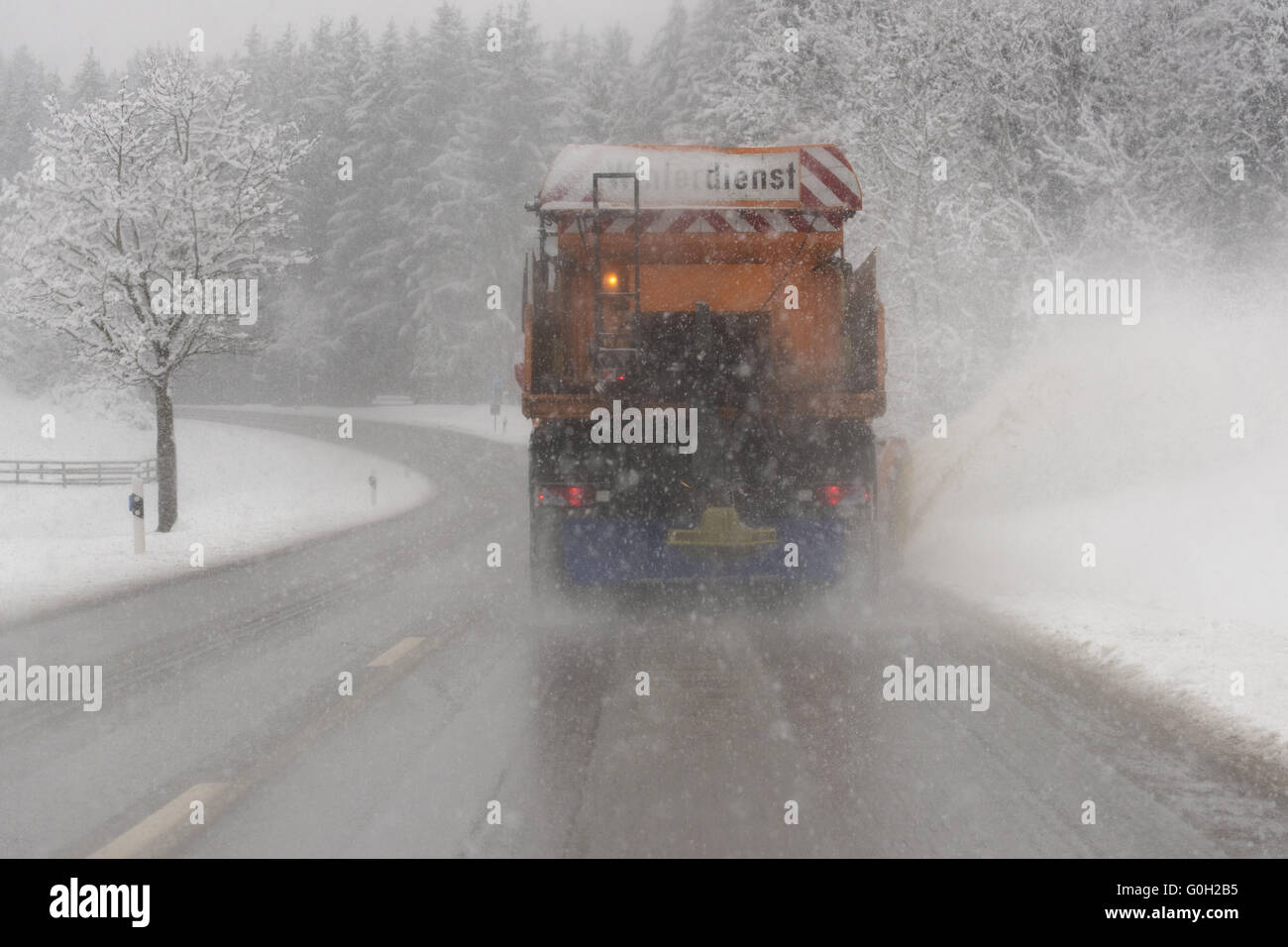
Significance of Specialized Cold Weather Highway Services
Expert cold weather road maintenance play a essential role in maintaining public safety during cold events. These maintenance ensure that highways are accessible, reducing the chance of accidents and injuries. By employing skilled personnel and specialized equipment, they can respond quickly to changing weather conditions, mitigating hazards that can lead to vehicular incidents. The preventive measures taken by these professionals not only protect commuters but also enhance the overall efficiency of transportation systems.
Additionally, cold weather street services significantly diminishes the incidence and gravity of accidents. Effective precipitation clearance and street gritting prevent the formation of ice and ensure that surfaces remain safe for travel. When road services are professionally managed, they utilize modern techniques that take into account the unique needs of each road and the anticipated weather patterns. This personalized approach leads to more secure driving conditions, ultimately preserving lives and lessening the burden on emergency responders.
Moreover, the monetary impact of specialized cold weather highway maintenance cannot be ignored. By keeping streets clear, businesses remain open, and distribution networks are not hindered by harsh weather. Invasive Weed Control Ireland supports regional economies but also allows for streamlined emergency aid by ensuring that vital services can reach those in need. As societies increasingly rely on these services, the importance of investing in professional winter highway maintenance becomes clear, not only for safety but for economic stability as well.
Best Practices for Cold Weather Street Maintenance
Successful winter street maintenance starts with preventative preparation and implementation. Local governments and agencies should create a detailed winter care strategy that details the strategies and materials required to keep streets secure during snow and ice events. This strategy should encompass assessing the average climate trends for the area, budgeting for necessary materials and equipment, and coordinating with regional authorities and service providers. Prompt readiness, such as pre-treating roads with de-icing solutions before a storm, can meaningfully improve security by stopping ice from developing.
A further key aspect of best practices in cold weather street care is the execution of timely ice clearance and gritting activities. Utilizing the correct machinery, such as ice plows and gritters, guarantees that roads are cleaned quickly and effectively. Operators must be skilled in their use, as the scheduling and technique of gritting can directly impact street safety. Regular assessment of road conditions and adjusting plans based on current climate data is vital to ensure that care efforts are focused where they are needed.
Communication is also vital in successful cold weather road care. Keeping the public updated about road conditions, winter maintenance schedules, and safety tips can improve public safety and collaboration. Additionally, partnership with community businesses and emergency services is essential to make certain that essential routes remain open. By creating an environment of transparency and collaboration, authorities can boost the overall effectiveness of their winter care programs and minimize the risks associated with severe cold weather weather.
Innovations in Cold Weather Road Services
Emerging technologies are significantly enhancing the performance and effectiveness of winter road services. Geospatial Information Systems (GIS) and cutting-edge planning software facilitate service providers to streamline their salting and gritting routes, making sure that resources are allocated where they are most critical most. Real-time data from meteorological systems enables teams to predict changing conditions and respond in a timely manner, as opposed to reactively, which is crucial for maintaining clear roadways during frozen precipitation events.
Another significant innovation is the development of smart salt spreaders fitted with GPS technology. These machines can dynamically adjust the application rate based on road conditions and the specific requirements of different areas. This not only ensures that the appropriate amount of de-icing material is used but also helps cut down on waste and ecological footprint. Furthermore, some companies are starting to use green alternatives to traditional road salt, which can deliver reliable ice control while being more benign to the natural surroundings.
Finally, the adoption of mobile apps and digital services for public reporting and service requests has considerably enhanced communication between road maintenance teams and the communities they serve. Residents can alert dangerous conditions in real time, enabling for more efficient response times. This level of community engagement helps cultivate a culture of safety, where everyone plays a contribution in ensuring cold weather road safety. As these advancements continue to progress, the prospects of professional winter road services looks increasingly sophisticated and efficient.